Global Insight
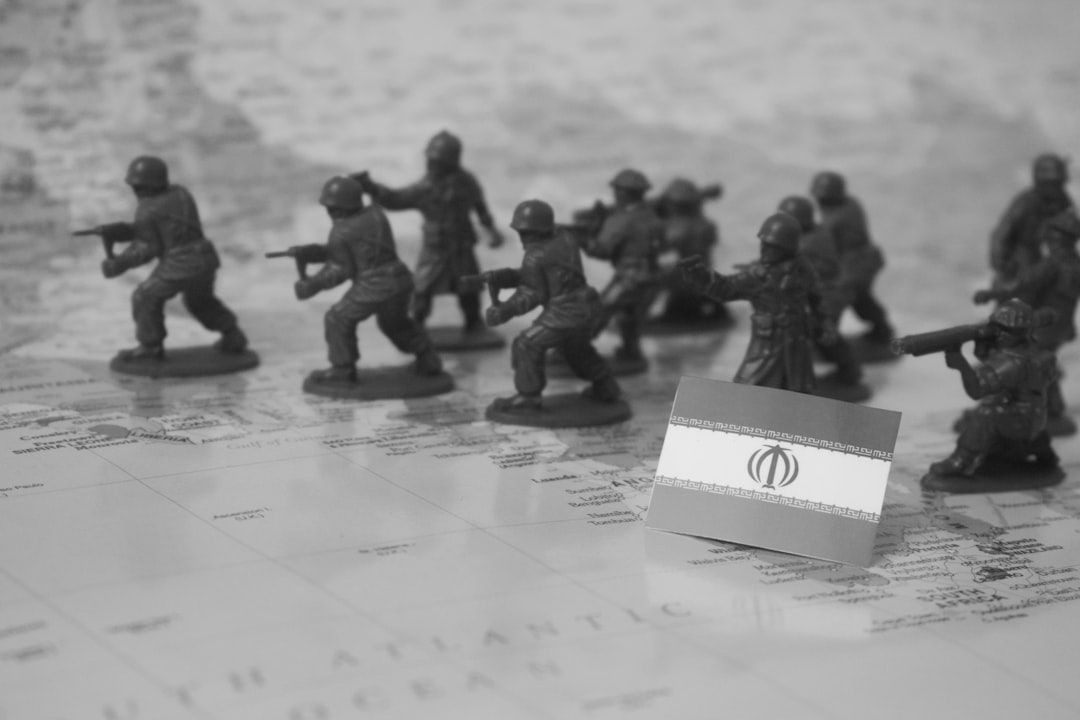
The world is not just facing multiple crises; it’s grappling with a poly-crisis, where seemingly disparate geopolitical flashpoints converge to amplify global instability. From the simmering US-Israel-Iran tensions threatening to ignite a regional inferno in the Middle East to the volatile border clashes between Afghanistan and Pakistan, the echoes of conflict are reshaping our collective future. This isn’t just news from faraway lands; it’s a direct threat to the fragile global order and the economic stability that underpins our daily lives.
The potential for a US-Israel-Iran conflict, whether direct or proxy, is a geopolitical earthquake waiting to happen. Such an escalation would not only redraw the map of the Middle East but fundamentally disrupt global energy markets, shipping lanes, and strategic alliances, forcing a re-evaluation of security paradigms across continents. Simultaneously, the Afghanistan-Pakistan border skirmishes underscore the persistent fragility of post-withdrawal regional security, creating a fertile ground for extremism and further destabilizing a critical corridor for trade and influence between South and Central Asia.
The most insidious impact, however, lies in the feedback loop between these conflicts and the pervasive specter of US inflation. Geopolitical instability inherently drives up commodity prices, particularly oil and gas, while disrupting supply chains already strained by post-pandemic recovery. This directly exacerbates inflationary pressures, forcing central banks into difficult policy choices and eroding consumer purchasing power globally. For the average citizen, this means higher living costs, diminished savings, and an uncertain economic horizon, demonstrating how the distant drumbeats of war resonate directly in our wallets and futures.
심층 분석 (Korean)
- 중동 불안정 심화와 에너지 시장 영향
- 아프가니스탄-파키스탄 국경 분쟁과 지역 안보 위협
- 지정학적 리스크가 미국 인플레이션에 미치는 가속화 효과
미국-이스라엘-이란 간의 긴장 고조는 중동 지역을 넘어 전 세계 경제에 지대한 영향을 미칠 잠재력을 가지고 있습니다. 호르무즈 해협 봉쇄 가능성은 글로벌 원유 공급망을 마비시키고 유가를 천정부지로 끌어올릴 것입니다. 이는 단순한 에너지 비용 상승을 넘어, 운송 및 제조업 전반에 걸친 생산 비용을 증가시켜 전 세계적인 인플레이션 압력을 가속화할 수 있습니다. 또한, 이란의 핵 프로그램과 역내 대리전 확산은 국제사회에 예측 불가능한 안보 위협을 가하며, 투자 심리를 위축시키고 글로벌 금융 시장의 변동성을 극대화할 것입니다.
아프가니스탄과 파키스탄 간의 국경 분쟁은 탈레반 집권 이후 더욱 복잡해진 지역 안보 상황을 여실히 보여줍니다. 이는 단순히 두 국가 간의 문제가 아니라, 남아시아와 중앙아시아를 잇는 전략적 요충지의 불안정을 심화시키고 있습니다. 국경 충돌은 난민 발생을 촉진하고, 극단주의 세력의 활동 공간을 넓히며, 지역 내 테러 위협을 고조시킬 수 있습니다. 이러한 불안정은 국제 사회의 대테러 노력에 추가적인 부담을 지울 뿐만 아니라, 이 지역을 경유하는 무역 및 투자 흐름에 부정적인 영향을 미쳐 글로벌 공급망에 또 다른 취약점을 더할 것입니다.
이러한 지정학적 리스크의 증폭은 현재 전 세계적으로 고심하고 있는 미국 인플레이션 문제에 강력한 가속 페달을 밟는 역할을 합니다. 에너지 및 원자재 가격 상승, 공급망 교란은 물가 상승을 부추기고, 이는 결국 각국 중앙은행의 긴축 정책 기조를 강화하게 만들 것입니다. 고금리 환경은 기업의 투자와 소비자의 지출을 위축시켜 경기 침체 가능성을 높입니다. 투자자들은 안전 자산 선호 심리를 강화하고, 주식 시장의 변동성은 커질 수 있습니다. 결국, 먼 곳의 전쟁 소식이 우리 식탁 물가와 자산 가치에 직접적인 영향을 미치는 상호 연결된 세계에 살고 있음을 명심해야 합니다.