Quick Overview
Difficulty: Medium
Preparation Time: 20 – 30 minutes
Cooking Time: 25 – 35 minutes
Ingredients and Realistic Substitutions
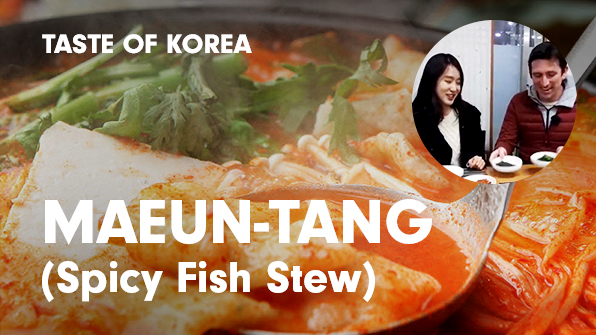
Maeun-tang relies on a light, savory broth spiked with Korean chili paste and aromatic vegetables. You may be able to find substitutes at large local supermarkets or Asian grocery stores.
- Fish (500g / ~1.1 lbs): Red snapper, sea bass, cod, or red gurnard work best. If whole fish with bones is unavailable, firm white fish fillets like cod or haddock will work as a convenient substitute.
- Radish (150g): Korean radish (Mu). Substitute: Daikon radish or white turnip.
- Vegetables: 1/2 zucchini, 1/2 medium onion, 2 scallions (green onions), 1 red or green chili pepper (optional for heat).
- Aromatic Greens: Crown daisy (Ssukgat). Substitute: Baby spinach, watercress, or chrysanthemum greens.
- Broth Base (approx. 4–5 cups): Anchovy-kelp stock or vegetable broth.
- Seasoning Paste:
- 1.5 tbsp Korean chili powder (Gochugaru)
- 1 tbsp Korean chili paste (Gochujang)
- 1 tbsp Soybean paste (Doenjang – essential for cutting fishiness)
- 1 tbsp Minced garlic
- 1/2 tsp Grated ginger
- 1 tbsp Soy sauce
- 1 tbsp Mirin or white wine
- Pinch of black pepper
Step-by-Step Cooking Order
- Prep the Fish: Clean the fish thoroughly under cold water. If using whole fish, remove any remaining scales and guts. Cut into bite-sized chunks. Pat dry.
- Mix the Paste: In a small bowl, combine Gochugaru, Gochujang, Doenjang, garlic, ginger, soy sauce, mirin, and black pepper.
- Simmer Radish Base: Slice the radish into thin, rectangular pieces. Add them to a pot along with the broth base. Bring to a boil over medium-high heat and cook for 5–7 minutes until the radish begins to turn slightly translucent.
- Add Paste & Hard Vegetables: Stir the seasoning paste into the pot until dissolved. Add sliced onion and zucchini.
- Add Fish: Gently drop the fish pieces into the boiling broth. Lower the heat to medium. Avoid stirring aggressively so the fish doesn’t break apart.
- Skim and Simmer: As the stew boils, skim off any foam or scum that rises to the top using a spoon for a clean-tasting broth. Simmer for about 10–12 minutes until the fish is fully cooked.
- Final Touch: Add sliced green onions and chili peppers. Taste the broth and adjust with a pinch of salt or additional soy sauce if needed. Just before turning off the heat, lay baby spinach or watercress on top and let it wilt for 30 seconds. Serve hot.
Common Mistakes and How to Avoid Them
- Fishy odor in broth: Skipping Doenjang (soybean paste) or not washing the blood clean from the fish bone area can cause a strong odor. Ensure the fish is well rinsed and do not skip the soybean paste.
- Fish breaking into tiny pieces: Stirring the pot too frequently after adding the fish will cause white fish to disintegrate. Gently ladle broth over the fish instead of stirring.
- Cloudy, bitter broth: Leaving scum on top gives a murky flavor. Regularly skim the surface while simmering.
- Overcooked greens: Adding leafy greens too early turns them mushy and dull in color. Put them in at the very end.
Storage Tips for Leftovers and Unused Ingredients
- Cooked Stew Leftovers: Store cooled stew in an airtight container in the refrigerator for up to 2 days. Reheat gently on the stove over medium heat. Add a splash of water or broth if it has thickened too much.
- Unused Fresh Fish: Raw fish should be cooked within 24 hours. If keeping longer, wrap tightly and freeze immediately.
- Unused Produce: Wrap remaining radish or zucchini in paper towels and seal in a ziplock bag in the crisp drawer for up to a week.
Spice Adjustment and Vegetarian Option
- Spice Level Adjustment: To lower the heat, reduce Gochugaru to 1/2 tablespoon and omit fresh chili peppers. Increase the amount of Doenjang slightly for a milder, deeper flavor.
- Vegetarian / Vegan Option: Swap the fish with extra firm tofu cut into thick slabs and a mix of mushrooms (king oyster, shiitake, and enoki). Use vegetable broth instead of anchovy stock and replace fish sauce with extra soy sauce or mushroom seasoning paste.
한국어 레시피 (해외 식재료 버전)
개요
난이도: 보통
준비 시간: 20 – 30분
조리 시간: 25 – 35분
재료 및 현지 대체 재료
해외에서도 대형 현지 마트나 아시안 마켓을 활용하면 쉽게 매운탕을 끓일 수 있습니다.
- 생선 (500g): 도미, 농어, 대구 등 살이 탄탄한 흰살생선. 서양 마트에서 손질된 대구(Cod)나 해덕(Haddock) 필렛을 활용하셔도 좋습니다.
- 무 (150g): 단단한 한국 무가 베스트지만, 현지 마트의 다이콘(Daikon)이나 서양 무(Turnip)로 대체 가능합니다.
- 채소: 애호박 1/2개, 양파 1/2개, 대파 1줄기, 청양고추 또는 현지 매운 고추 1개.
- 고명 채소: 쑥갓 대신 현지 일반 마트의 어린 시금치(Baby Spinach)나 물냉이(Watercress)를 쓰시면 식감과 색감을 내기 좋습니다.
- 육수 (4~5컵): 멸치다시마 육수 또는 채수.
- 양념장: 고춧가루 1.5큰술, 고추장 1큰술, 된장 1큰술(비린내 잡는 핵심), 다진 마늘 1큰술, 다진 생강 1/2작은술, 국간장(또는 진간장) 1큰술, 맛술/청주 1큰술, 후춧가루 약간.
조리 순서
- 생선 손질: 생선은 찬물에 구석구석 깨끗이 씻어 핏물을 제거합니다. 필렛인 경우 한 입 크기로 큼직하게 썰어줍니다.
- 양념장 만들기: 분량의 고춧가루, 고추장, 된장, 마늘, 생강, 간장, 맛술, 후춧가루를 섞어둡니다.
- 무 육수 끓이기: 냄비에 육수와 얇게 나박썰기한 무를 넣고 먼저 끓입니다. 무가 살짝 투명해질 때까지 5~7분간 끓여줍니다.
- 양념 및 채소 투하: 양념장을 육수에 잘 풀고, 썰어둔 양파와 애호박을 넣습니다.
- 생선 넣기: 국물이 다시 끓어오르면 생선을 조심스럽게 넣습니다. 이때 불을 중불로 줄이고 숟가락으로 국물을 생선 위에 얹어주듯 끓입니다.
- 거품 제거: 끓어오르면서 상단에 뜨는 불순물과 거품을 숟가락으로 걷어내야 국물이 깔끔해집니다. 약 10~12분간 은근히 끓입니다.
- 마무리: 대파와 고추를 넣고 간을 봅니다. 부족한 간은 소금이나 간장으로 맞춘 뒤, 불을 끄기 직전 시금치나 물냉이를 올리고 30초 후 불을 끕니다.
자주 하는 실수 및 주의사항
- 생선 비린내 문제: 된장을 빠뜨리거나 생선 핏물을 제대로 씻지 않으면 국물에서 비린내가 날 수 있습니다. 된장 1큰술은 꼭 넣어주세요.
- 생선살 으깨짐: 생선을 넣은 후 국자를 마구 휘저으면 살이 다 부서집니다. 국물만 위로 얹어가며 살살 조리하세요.
- 국물이 텁텁함: 조리 중 뜨는 거품을 제거하지 않으면 국물 맛이 씁쓸해지고 탁해집니다. 거품을 잘 걷어내세요.
보관 및 남은 재료 활용 팁
- 조리된 매운탕 보관: 남은 매운탕은 식힌 후 밀폐용기에 담아 냉장 보관하고 2일 이내에 데워 드세요. 데울 때 물을 약간 추가하면 짜지 않습니다.
- 남은 생선: 당일 사용하지 않는 생선은 핏물을 닦아내고 즉시 냉동 보관하세요.
- 남은 무/채소: 키친타올로 감싼 후 지퍼백에 넣어 냉장고 야채실에 보관하면 일주일 정도 신선함이 유지됩니다.
맵기 조절 및 채식 변형
- 맵기 조절: 매운 맛을 줄이려면 고춧가루 양을 절반으로 줄이고 고추를 생략하세요. 된장 비율을 살짝 늘리면 고소하고 깊은 맛이 납니다.
- 채식 변형 (건강/체질 고려): 생선 대신 단단한 두부와 다양한 버섯(새송이, 표고, 팽이버섯)을 넣고, 채수를 활용하면 시원하고 담백한 채식 매운탕을 즐기실 수 있습니다.