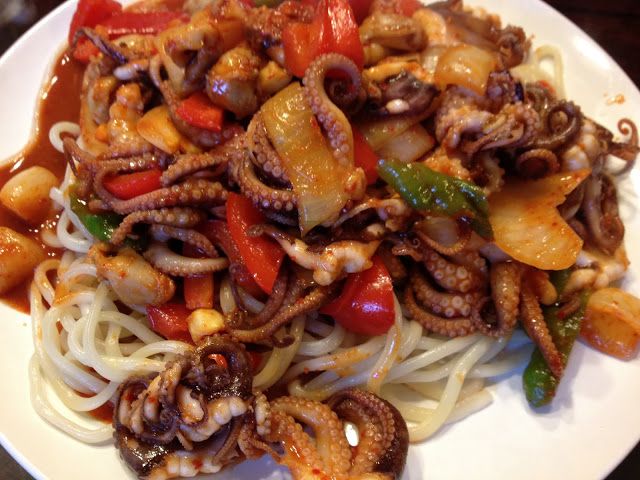
Quick Overview
Jeyuk-bokkeum (제육볶음) is a popular Korean dish featuring thinly sliced pork marinated in a spicy gochujang-based sauce, then stir-fried with vegetables. It’s a fantastic meal served with rice and a variety of banchan (side dishes).
- Difficulty Level: Easy to Medium
- Preparation Time: 20-30 minutes (plus 30 minutes to 1 hour marinating time)
- Cooking Time: 10-15 minutes
Ingredients and Realistic Substitutions
The key to delicious Jeyuk-bokkeum lies in the marinade. Don’t worry if you can’t find every exact ingredient; we’ve got you covered with practical substitutions.
Main Ingredients:
- Pork: 1 lb (approx. 450-500g) thinly sliced pork shoulder (pork butt/Boston butt) or pork belly.
- Vegetables:
- 1 medium onion, sliced
- 2-3 green onions (scallions), cut into 2-inch pieces
- (Optional) 1 cup sliced cabbage or bell peppers (any color)
- (Optional) ½ small carrot, thinly sliced
- Cooking Oil: 1-2 tablespoons (vegetable oil, canola oil, or any neutral cooking oil)
Marinade (양념):
- Gochujang (Korean Chili Paste): 3 tablespoons. This is a core ingredient. You may be able to find it at large local supermarkets in the international aisle or, more reliably, at Asian grocery stores.
- Gochugaru (Korean Chili Flakes): 1-2 tablespoons (adjust to your spice preference). Also a core ingredient, found at Asian grocery stores.
- Soy Sauce: 2 tablespoons (regular or light soy sauce).
- Garlic: 3-4 cloves, minced (about 1 tablespoon).
- Ginger: 1 teaspoon, minced (fresh is best, but ginger paste can work).
- Sugar: 1 tablespoon (granulated sugar, brown sugar, or honey).
- Mirin (Korean/Japanese Cooking Wine): 1 tablespoon. If unavailable, you can substitute with dry white wine or simply omit it and add a pinch more sugar.
- Sesame Oil: 1 tablespoon. Adds a distinct nutty aroma. Found at most supermarkets or Asian grocery stores.
- Black Pepper: ½ teaspoon.
Garnish (Optional):
- Toasted sesame seeds
Step-by-Step Cooking Order
- Prepare the Pork: If your pork isn’t already thinly sliced, slice it against the grain into bite-sized pieces (about ¼ inch thick). Pat it dry with paper towels.
- Make the Marinade: In a large mixing bowl, combine all marinade ingredients: gochujang, gochugaru, soy sauce, minced garlic, minced ginger, sugar, mirin (or substitute), sesame oil, and black pepper. Mix well until smooth.
- Marinate the Pork: Add the sliced pork to the marinade bowl. Use your hands to thoroughly coat the pork with the sauce. For best results, cover the bowl and refrigerate for at least 30 minutes, or up to 1 hour. You can marinate longer (up to 24 hours) for deeper flavor.
- Prepare Vegetables: While the pork is marinating, slice the onion, cut green onions, and prepare any optional vegetables like cabbage or carrots.
- Stir-fry Vegetables (Optional, but recommended): Heat 1 tablespoon of cooking oil in a large pan or wok over medium-high heat. Add the sliced onions and carrots (if using) and stir-fry for 2-3 minutes until slightly softened. Remove them from the pan and set aside. This prevents overcrowding the pan when cooking the pork.
- Cook the Pork: Add another tablespoon of cooking oil to the same pan (if needed) and increase heat to high. Once the pan is hot, add the marinated pork in a single layer. Do not overcrowd the pan; cook in batches if necessary. Stir-fry for 5-7 minutes, breaking up any clumps, until the pork is cooked through and slightly caramelized.
- Combine and Finish: If you stir-fried vegetables separately, add them back to the pan with the cooked pork. Add the green onions and cabbage (if using). Stir-fry for another 2-3 minutes until the vegetables are tender-crisp and well combined with the pork.
- Serve: Transfer the Jeyuk-bokkeum to a serving platter. Garnish with toasted sesame seeds if desired. Serve immediately with freshly cooked rice.
Common Mistakes and How to Avoid Them
- Overcrowding the Pan: Adding too much pork at once lowers the pan temperature, causing the pork to steam instead of stir-fry, resulting in a watery, less flavorful dish. Cook in batches if your pan isn’t large enough.
- Not Marinating Long Enough: While 30 minutes is acceptable, a longer marination (1 hour or more) allows the flavors to penetrate the pork more deeply, resulting in a more tender and flavorful dish.
- Overcooking the Pork: Pork shoulder can become tough if overcooked. Stir-fry quickly over high heat until just cooked through.
- Too Much Liquid: If your dish seems too watery, it might be due to overcrowding the pan or not cooking at a high enough temperature. Ensure your pan is hot and don’t add too many ingredients at once.
Storage Tips for Leftovers and Unused Ingredients
- Leftover Jeyuk-bokkeum: Store in an airtight container in the refrigerator for up to 3-4 days. Reheat gently on the stovetop or in the microwave. It can also be frozen for up to 1-2 months, though the texture of the vegetables might change slightly upon thawing.
- Gochujang and Gochugaru: Store gochujang in the refrigerator after opening. Gochugaru should be stored in an airtight container in a cool, dark place, or for longer freshness, in the refrigerator or freezer.
- Fresh Ginger and Garlic: Store whole ginger in the refrigerator or freezer. Garlic cloves can be stored in a cool, dry place. Minced garlic/ginger paste can be frozen in ice cube trays for easy portioning.
Spice Adjustment or Vegetarian Option
- Spice Level Adjustment:
- Milder: Reduce the amount of gochugaru to ½ tablespoon or omit it entirely. You can also add a touch more sugar to balance the heat.
- Spicier: Increase gochugaru to 3 tablespoons or more, according to your preference. A small amount of fresh chopped red chili can also be added during cooking.
- Vegetarian/Vegan Option (Jeyuk-bokkeum style):
- Substitute pork with firm or extra-firm tofu (pressed and cubed), tempeh, or large mushrooms (like king oyster or shiitake).
- Marinate the tofu/tempeh/mushrooms in the same sauce. You might want to add a bit more soy sauce or a dash of liquid smoke for umami depth if omitting meat.
- Follow the same cooking steps, adjusting cooking times as needed for your chosen substitute.
한국어 레시피 (해외 식재료 버전)
매콤달콤한 제육볶음은 한국인이라면 누구나 좋아하는 대표적인 메뉴입니다. 해외에서도 쉽게 구할 수 있는 재료들로 집에서 맛있는 제육볶음을 만들어 보세요!
요리 개요
- 난이도: 쉬움-중간
- 준비 시간: 20-30분 (재우는 시간 30분-1시간 별도)
- 조리 시간: 10-15분
재료 (해외 식재료 활용)
제육볶음의 핵심은 맛있는 양념입니다. 모든 재료를 정확히 구하기 어렵더라도, 대체 가능한 재료들을 활용해 보세요.
주요 재료:
- 돼지고기: 얇게 썬 돼지 목살 (pork shoulder/butt) 또는 삼겹살 (pork belly) 약 450-500g (1파운드). 정육점에서 얇게 썰어달라고 요청하거나, 직접 얇게 썰어 준비합니다.
- 채소:
- 양파 1개, 채 썰기
- 대파 2-3대, 5cm 길이로 썰기
- (선택 사항) 양배추 1컵 또는 피망(파프리카) 1개, 썰기
- (선택 사항) 당근 ½개, 얇게 썰기
- 식용유: 1-2큰술 (카놀라유, 식물성 기름 등 일반 식용유)
양념:
- 고추장: 3큰술. 대형 마트의 국제 식품 코너나 아시아 식료품점에서 쉽게 찾을 수 있습니다.
- 고춧가루: 1-2큰술 (매운맛 선호도에 따라 조절). 아시아 식료품점에서 구할 수 있습니다.
- 간장: 2큰술 (일반 간장 또는 저염 간장).
- 다진 마늘: 3-4쪽 분량 (약 1큰술).
- 다진 생강: 1작은술 (생강 페이스트도 가능).
- 설탕: 1큰술 (백설탕, 흑설탕, 꿀 등).
- 미림 (맛술): 1큰술. 없으면 드라이 화이트 와인으로 대체하거나, 생략하고 설탕을 약간 더 넣어도 괜찮습니다.
- 참기름: 1큰술. 대부분의 마트나 아시아 식료품점에서 구할 수 있습니다.
- 후추: ½작은술.
고명 (선택 사항):
- 통깨
단계별 조리법
- 돼지고기 준비: 얇게 썬 돼지고기를 키친타월로 가볍게 눌러 물기를 제거합니다.
- 양념 만들기: 큰 볼에 고추장, 고춧가루, 간장, 다진 마늘, 다진 생강, 설탕, 미림(또는 대체 재료), 참기름, 후추를 넣고 잘 섞어 양념을 만듭니다.
- 돼지고기 재우기: 양념 볼에 준비한 돼지고기를 넣고 손으로 조물조물 버무려 양념이 고루 배도록 합니다. 랩을 씌워 냉장고에서 최소 30분에서 1시간 정도 재워둡니다. 시간이 충분하다면 24시간까지 재우면 더 깊은 맛을 낼 수 있습니다.
- 채소 준비: 돼지고기를 재우는 동안 양파, 대파, 양배추, 당근 등 준비된 채소들을 썰어둡니다.
- 채소 볶기 (선택 사항): 큰 팬이나 웍에 식용유 1큰술을 두르고 중강불로 달굽니다. 양파와 당근(사용하는 경우)을 넣고 2-3분간 살짝 부드러워질 때까지 볶은 후, 팬에서 꺼내 따로 둡니다. 이렇게 하면 고기를 볶을 때 팬이 너무 붐비지 않아 고기가 더 잘 익습니다.
- 돼지고기 볶기: 같은 팬에 식용유 1큰술을 더 넣고 센 불로 달굽니다. 팬이 뜨거워지면 양념한 돼지고기를 한 겹으로 펼쳐 넣습니다. 팬이 너무 붐비지 않도록 필요하면 여러 번 나누어 볶습니다. 5-7분간 저어가며 돼지고기가 완전히 익고 살짝 노릇해질 때까지 볶습니다.
- 모든 재료 합치기: 따로 볶아둔 채소가 있다면 다시 팬에 넣고, 대파와 양배추(사용하는 경우)도 함께 넣어 2-3분간 더 볶아 채소가 아삭하게 익고 고기와 잘 어우러지도록 합니다.
- 상차림: 완성된 제육볶음을 접시에 담고, 취향에 따라 통깨를 뿌려줍니다. 따뜻한 밥과 함께 바로 드시면 좋습니다.
자주 하는 실수와 해결책
- 팬에 재료를 너무 많이 넣는 경우: 한 번에 너무 많은 고기를 넣으면 팬의 온도가 낮아져 고기가 볶아지지 않고 삶아지듯이 물이 많이 생길 수 있습니다. 팬 크기에 맞춰 소량씩 나누어 볶거나, 팬을 충분히 달군 후 조리하세요.
- 재우는 시간이 부족한 경우: 최소 30분 이상 재워야 양념 맛이 고기에 잘 배어듭니다. 시간이 길수록 맛이 더 깊어집니다.
- 돼지고기를 너무 오래 익히는 경우: 돼지 목살은 너무 오래 익히면 질겨질 수 있습니다. 센 불에서 빠르게 익혀 육즙을 가두는 것이 중요합니다.
- 물이 너무 많이 생기는 경우: 팬이 충분히 뜨겁지 않거나, 재료를 너무 많이 넣어 팬 온도가 낮아졌을 때 발생할 수 있습니다. 센 불에서 빠르게 볶고, 필요하면 물기를 날려가며 조리합니다.
남은 재료 및 음식 보관 팁
- 남은 제육볶음: 밀폐 용기에 담아 냉장고에 3-4일간 보관 가능합니다. 다시 데울 때는 팬이나 전자레인지를 이용하세요. 냉동 보관 시에는 1-2개월까지 가능하지만, 해동 시 채소의 식감이 약간 변할 수 있습니다.
- 고추장 및 고춧가루: 고추장은 개봉 후 냉장 보관합니다. 고춧가루는 밀폐 용기에 담아 서늘하고 어두운 곳에 보관하거나, 더 오래 보관하려면 냉장 또는 냉동 보관하는 것이 좋습니다.
- 생강과 마늘: 통 생강은 냉장 또는 냉동 보관합니다. 마늘은 서늘하고 건조한 곳에 보관하고, 다진 마늘/생강 페이스트는 얼음 트레이에 얼려두면 편리하게 사용할 수 있습니다.
매운맛 조절 및 채식 옵션
- 매운맛 조절:
- 덜 맵게: 고춧가루 양을 ½큰술로 줄이거나 아예 빼고, 설탕을 약간 더 넣어 매운맛을 중화시킬 수 있습니다.
- 더 맵게: 고춧가루 양을 3큰술 이상으로 늘리거나, 청양고추(fresh red chili)를 약간 썰어 함께 볶으면 더 매콤하게 즐길 수 있습니다.
- 채식/비건 옵션 (제육볶음 스타일):
- 돼지고기 대신 단단한 두부(firm or extra-firm tofu, 물기를 짜서 깍둑썰기), 템페(tempeh), 또는 새송이버섯이나 표고버섯 같은 큰 버섯류를 사용합니다.
- 동일한 양념에 두부/템페/버섯을 재웁니다. 고기를 사용하지 않는 경우, 감칠맛을 위해 간장을 약간 더 넣거나 액상 스모크(liquid smoke)를 소량 추가할 수 있습니다.
- 선택한 재료에 맞춰 조리 시간을 조절하며 동일한 방법으로 볶아줍니다.