Quick Overview
Difficulty: Easy to Moderate
Prep Time: 10–15 minutes
Cooking Time: 20–25 minutes
Servings: 2–3
Ingredients and Realistic Substitutions
You may be able to find Korean specialty staples at local Asian grocery stores or international aisles in large supermarkets. If you cannot find every traditional item, everyday supermarket alternatives work well.
- Pork (200g / ~0.5 lb): Pork belly, shoulder butt, or collar steak cut into bite-sized pieces. Substitutes: Boneless chicken thighs, beef brisket/stew beef, or firm tofu for a meat-free alternative.
- Potatoes (1 medium): Yukon Gold, Russet, or standard boiling potatoes, peeled and cut into rough bite-sized chunks.
- Zucchini (1/2 medium): Courgette or zucchini, cut into semi-circles.
- Onion (1/2 medium): Yellow or brown onion, roughly diced.
- Green Onions / Scallions (2 stalks): Cut into 1-inch lengths. Substitute: The white and light green parts of a small leek.
- Garlic (1 to 1.5 tbsp): Finely minced.
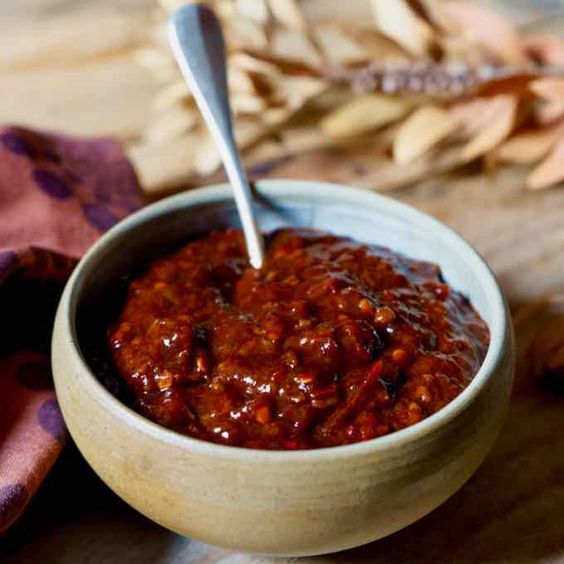
- Gochujang (Korean fermented red chili paste) (2 to 2.5 tbsp): The signature base of the dish.
- Gochugaru (Korean chili flakes) (1 tbsp, optional): Adds extra heat and a clean red color. Substitute: Mild crushed red pepper flakes or omit for a milder broth.
- Soy Sauce (1 tbsp): Regular all-purpose or light soy sauce.
- Cooking Oil (1 tsp): Neutral vegetable oil, sunflower oil, or toasted sesame oil.
- Broth or Water (500–600ml / ~2 to 2.5 cups): Water works well, but low-sodium chicken broth, vegetable stock, or dashi adds deeper savory flavor.
Step-by-Step Cooking Order
- Prepare the ingredients: Cut the pork, potatoes, zucchini, and onions into similar, bite-sized pieces so they cook evenly.
- Sauté the base: Heat 1 teaspoon of oil in a medium pot over medium-low heat. Add the pork and minced garlic, lightly searing the meat until it starts turning opaque (about 2–3 minutes).
- Stir-fry the chili paste: Lower the heat to low. Add the gochujang (and gochugaru, if using) directly into the rendered pork fat. Stir constantly for about 30 to 45 seconds to release its aroma without burning the sugars in the paste.
- Add broth and hard vegetables: Pour in 500–600ml of water or broth. Turn the heat up to medium-high and add the diced potatoes. Bring the stew to a boil, then reduce to a gentle simmer for 7–8 minutes until the potatoes start to soften.
- Add remaining vegetables and season: Stir in the zucchini, onions, and 1 tablespoon of soy sauce. Simmer for another 7–10 minutes until the vegetables are tender and the broth naturally thickens from the potato starch.
- Finish and serve: Toss in the green onions and let them cook for the final 1–2 minutes. Taste the broth; adjust with a pinch of salt or a splash more soy sauce if needed. Serve hot alongside steamed rice.
Common Mistakes and How to Avoid Them
- Burning the gochujang: Fermented chili paste contains natural sugars and scorches quickly. Always lower the heat when stir-frying it in the pot before adding liquids.
- Adding too much water: Gochujang-jjigae is meant to be a thick, robust stew rather than a light soup. Start with a modest amount of broth; you can always add a splash later if it reduces too far.
- Overcooking delicate vegetables: Add potatoes first because they take longer to soften. If you add zucchini at the very beginning, it may break down into mush.
Storage Tips for Leftovers and Unused Ingredients
- Leftover stew: Let the stew cool completely, transfer to a sealed container, and refrigerate for up to 3–4 days. Note that cooked potatoes do not freeze well (they become spongy), so finish the stew fresh or refrigerated rather than frozen.
- Gochujang tub: Store opened gochujang tubs tightly sealed in the refrigerator. A small piece of plastic wrap pressed directly against the surface of the paste helps prevent oxidation.
- Vegetable scraps: Wrap cut zucchini and onions tightly in food wrap or store in a ventilated produce bag in the crisper drawer to use within 3–5 days.
Spice Adjustment or Vegetarian Option
- To adjust spice: Gochujang varies by brand from mild to extra spicy. To reduce heat, decrease the paste to 1.5 tablespoons, skip the extra gochugaru, and balance the flavor with an extra splash of soy sauce or broth. For more heat, add sliced fresh jalapeños or serrano peppers along with the scallions.
- Vegetarian adaptation: Replace the pork with 200g of cubed medium-firm or firm tofu, combined with halved cremini, white button, or king oyster mushrooms for umami. Use vegetable broth or simple kelp-steeped water instead of meat stock.
한국어 레시피 (해외 식재료 버전)
해외 현지 마트나 아시안 마켓에서 구할 수 있는 재료로 쉽게 끓이는 감자 고추장찌개 레시피입니다.
재료 안내
- 돼지고기 (약 200g): 삼겹살(Pork belly) 또는 목살/어깨살(Pork shoulder/butt). 찌개용으로 큼직하게 썬 부위면 충분합니다.
- 감자 (1개): 러셋(Russet)이나 유콘 골드(Yukon Gold) 등 현지 일반 감자.
- 쥬키니/호박 (1/2개): 현지 마트의 Zucchini(서양 호박)를 도톰하게 썰어 사용합니다.
- 양파 (1/2개) 및 대파 (2대): 대파가 없다면 릭(Leek)의 흰 부분으로 대체할 수 있습니다.
- 양념: 고추장 2~2.5큰술, 고춧가루 1큰술(선택), 다진 마늘 1큰술, 진간장 1큰술, 식용유/참기름 1작은술.
- 육수/물: 물 또는 저염 치킨 브로스(Chicken stock) 500~600ml.
조리 순서
- 재료 손질: 돼지고기, 감자, 쥬키니, 양파를 한입 크기로 큼직하게 깍둑썰기합니다.
- 고기 볶기: 냄비에 기름 1작은술을 두르고 다진 마늘과 돼지고기를 넣어 중약불에서 겉면이 익을 때까지 볶아줍니다.
- 고추장 볶기: 불을 약불로 낮춘 뒤 고추장(및 고춧가루)을 넣고 고기 기름에 30~40초간 살짝 볶아 텁텁함을 날립니다. (양념이 타지 않도록 주의합니다.)
- 육수 및 감자 넣기: 물(또는 치킨 브로스)을 붓고 감자를 먼저 넣은 뒤 센 불로 올립니다. 끓어오르면 중불로 줄여 약 7~8분간 감자가 반쯤 익을 때까지 끓입니다.
- 나머지 채소 및 간 맞추기: 쥬키니, 양파, 진간장 1큰술을 넣고 채소가 부드러워질 때까지 7~10분 정도 뭉근하게 졸이듯 끓입니다. 감자에서 전분이 나와 국물이 걸쭉해집니다.
- 마무리: 대파를 넣고 1~2분간 더 끓인 후 불을 끕니다. 간이 부족하면 소금이나 간장을 살짝 추가합니다.
조리 팁 & 보관법
- 타지 않게 볶기: 고추장은 당분이 있어 센 불에서 쉽게 탑니다. 양념을 볶을 때는 반드시 불을 약하게 줄이세요.
- 보관: 조리된 찌개는 밀폐 용기에 담아 냉장 보관 시 3~4일간 보관 가능합니다. 감자는 냉동 시 식감이 푸석해지므로 가급적 냉장 보관하며 드시는 것을 권장합니다.
- 채식 버전: 돼지고기 대신 두부와 새송이/양송이버섯을 넣고, 물이나 채소 육수를 사용하면 훌륭한 채식 찌개가 완성됩니다.