Global Insight
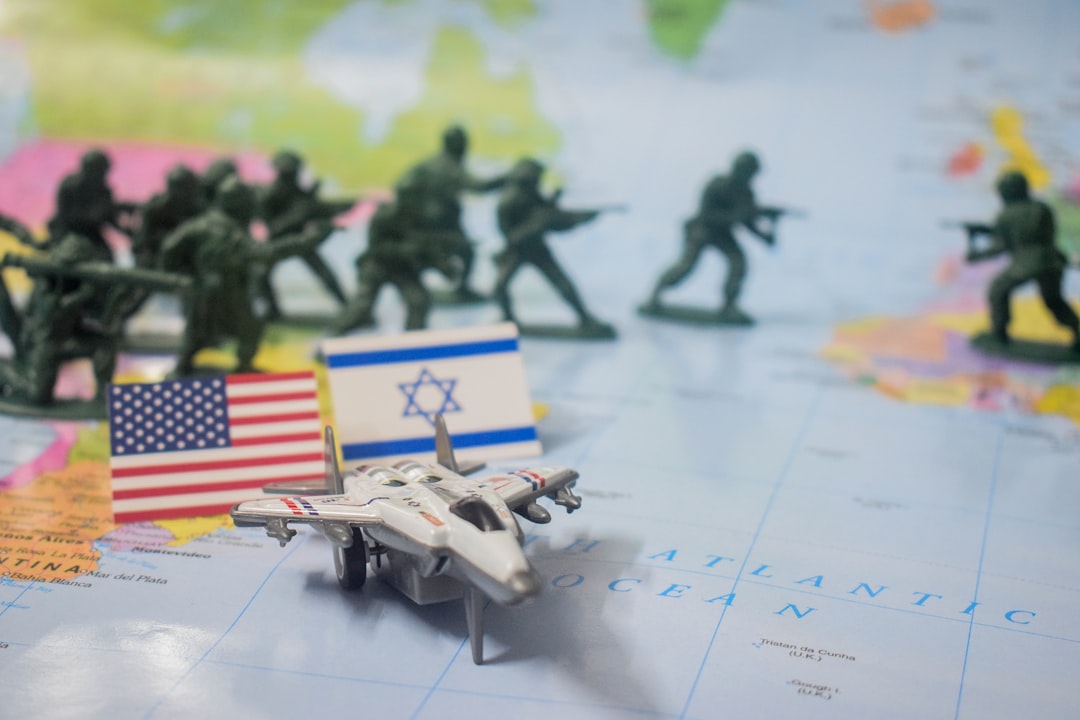
The geopolitical landscape is rapidly transforming into a minefield. The simmering tensions between the US, Israel, and Iran are a powder keg waiting for a spark, threatening to destabilize the already volatile Middle East. Simultaneously, the deteriorating security situation in Afghanistan and the escalating conflict with Pakistan present a grave risk to regional stability, potentially triggering a wider conflict and refugee crisis. These overlapping crises demand urgent and strategic diplomatic intervention.
Beyond the immediate humanitarian concerns, these conflicts carry significant economic ramifications. A US-Iran war, for instance, would undoubtedly send oil prices soaring, exacerbating global inflation and potentially triggering a recession. The instability in Afghanistan and Pakistan could disrupt trade routes, hindering economic growth in the region and beyond. Furthermore, the increased military spending required to manage these crises will further strain government budgets and divert resources from crucial social programs.
For the average citizen, these geopolitical shifts translate to increased economic uncertainty and potential hardship. Higher energy prices will impact everything from transportation to food costs. Supply chain disruptions could lead to shortages and price hikes for essential goods. The potential for increased social unrest and political instability cannot be ignored. Staying informed and demanding responsible leadership from our elected officials is crucial to navigating these turbulent times.
심층 분석 (Korean)
- 미국-이란 긴장 고조는 중동 지역 불안정을 심화시키고, 유가 급등을 초래하여 글로벌 인플레이션을 악화시킬 수 있습니다.
- 아프가니스탄-파키스탄 분쟁은 지역 경제 성장을 저해하고, 무역로를 차단하여 글로벌 공급망에 혼란을 야기할 수 있습니다.
- 미국의 인플레이션 압력은 금리 인상 가능성을 높이고, 이는 신흥국 경제에 부담을 주어 금융 위기로 이어질 수 있습니다.
미국, 이스라엘, 이란 간의 갈등은 단순한 지역 분쟁을 넘어 국제 유가 및 에너지 시장에 직접적인 영향을 미칩니다. 이란 핵 시설에 대한 공격이나 호르무즈 해협 봉쇄 시나리오는 전 세계 에너지 공급망을 마비시키고, 이는 즉각적인 경기 침체로 이어질 수 있습니다. 특히 한국과 같이 에너지 수입 의존도가 높은 국가에게는 치명적인 타격이 될 것입니다.
아프가니스탄과 파키스탄 국경 지역의 불안정은 테러리즘 확산과 난민 문제 심화를 초래할 수 있습니다. 이는 유럽을 비롯한 서방 국가들의 안보 불안감을 증폭시키고, 극우 세력의 득세를 부추길 수 있습니다. 또한, 해당 지역의 경제 개발이 지연되어 장기적인 빈곤 악순환을 야기할 가능성이 높습니다. 한국 또한 테러 위협으로부터 안전하지 않으며, 사이버 공격 등 간접적인 피해를 입을 수 있습니다.
미국 연방준비제도(Fed)의 금리 인상 정책은 신흥국 자본 유출을 가속화하고, 외환 위기를 초래할 수 있습니다. 특히, 대외 부채가 많은 국가들은 더욱 취약한 상황에 놓이며, 이는 글로벌 금융 시스템의 불안정성을 높이는 요인이 됩니다. 한국 또한 금리 인상 압박을 받고 있으며, 가계 부채 문제와 부동산 시장 침체 가능성에 대한 우려가 커지고 있습니다. 따라서, 정부는 선제적인 리스크 관리와 금융 시장 안정화 대책을 마련해야 합니다.