Global Insight
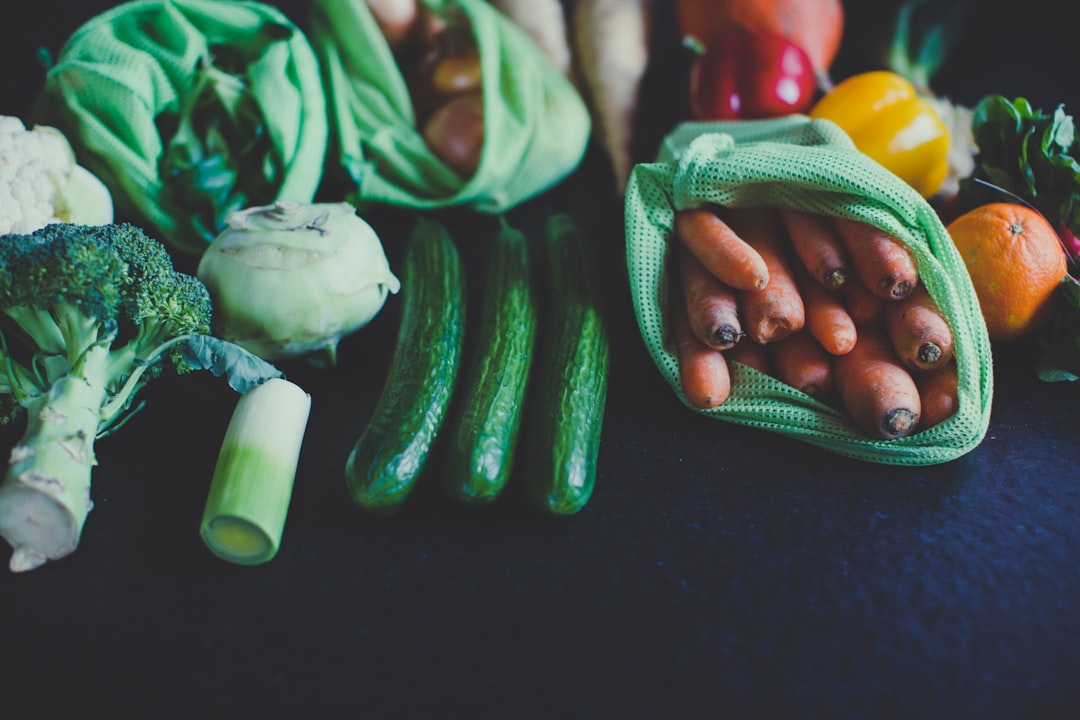
Canada is facing a significant surge in food prices, impacting households across the nation. The CBC report highlights specific grocery items experiencing dramatic price increases, signaling a broader inflationary trend within the Canadian food market. This isn’t just about a few select items; it represents a systemic pressure that demands attention.
The impact extends beyond the immediate cost of groceries. As food prices rise, disposable income shrinks, forcing consumers to make difficult choices about their spending habits. This can lead to decreased spending in other sectors of the economy, potentially slowing economic growth. Moreover, food insecurity becomes a more pressing concern for vulnerable populations, exacerbating existing social inequalities.
This situation is exacerbated by global factors such as supply chain disruptions, climate change impacting crop yields, and geopolitical instability. The Canadian government and businesses must address these issues proactively. Failure to do so will not only hurt consumers’ wallets but also threaten the long-term stability and resilience of the Canadian economy.
심층 분석 (Korean)
- 공급망 불안정 심화: 글로벌 공급망 문제로 인해 캐나다 식료품 가격 상승 압력이 더욱 거세지고 있습니다.
- 취약 계층의 식량 안보 위협: 식료품 가격 급등은 저소득층의 식량 접근성을 악화시켜 사회적 불평등을 심화시킬 수 있습니다.
- 정부의 적극적인 개입 필요: 가격 안정화를 위한 정부의 정책적 지원과 기업의 혁신적인 솔루션 모색이 시급합니다.
캐나다의 식료품 가격 상승은 단순한 물가 인상 문제를 넘어 경제 전반에 걸쳐 심각한 영향을 미칠 수 있는 문제입니다. 글로벌 공급망의 불안정, 기후 변화로 인한 작황 부진, 그리고 지정학적 리스크 등의 복합적인 요인이 작용한 결과입니다. 특히 저소득층과 취약 계층에게는 생존과 직결된 문제로, 식량 안보를 위협하는 요인이 됩니다. 정부는 가격 통제, 보조금 지급, 공급망 다변화 등 적극적인 정책적 개입을 통해 물가 안정을 도모하고, 기업은 유통 구조 개선, 기술 혁신 등을 통해 비용 절감을 추진해야 합니다. 장기적으로는 지속 가능한 농업 시스템 구축과 지역 농산물 소비 활성화를 통해 식량 자급률을 높이는 노력이 필요합니다.