Global Insight
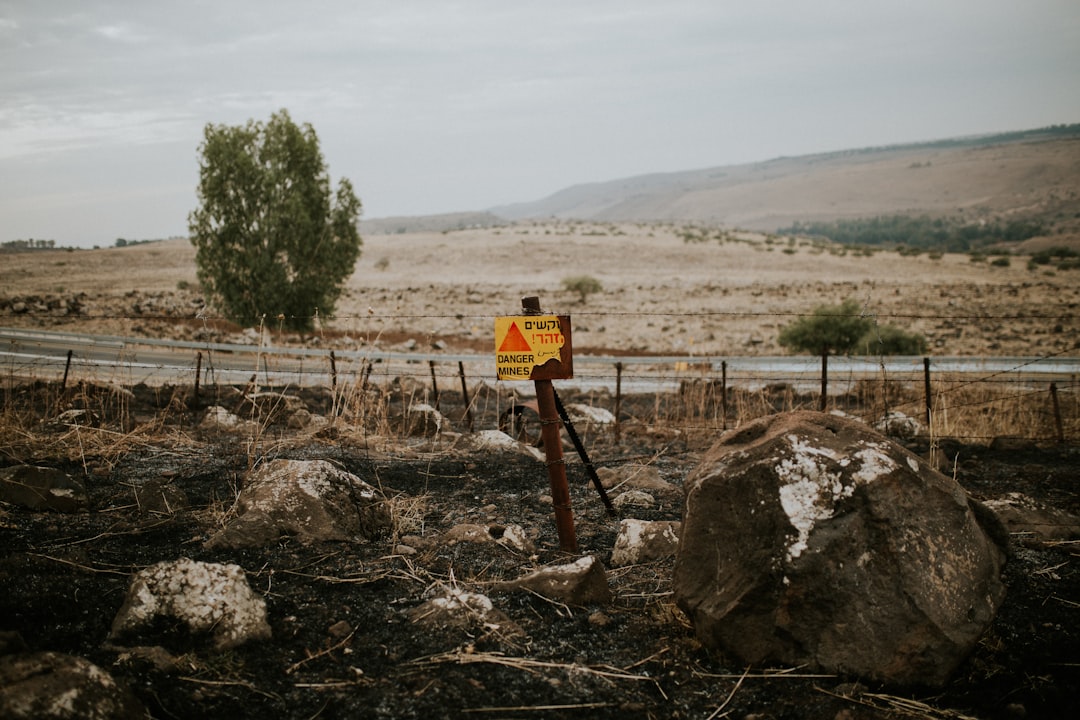
The ongoing geopolitical conflict isn’t just a matter of borders and ideologies; it’s a fundamental restructuring of the global economic landscape. Supply chains are being rerouted, alliances are shifting, and the very foundations of international trade are being questioned. This instability creates both immense risk and potentially lucrative opportunities for those who can navigate the turbulent waters.
U.S. Bank’s report highlights the immediate market reactions, but the long-term implications are far more profound. Expect increased volatility in commodity prices, particularly energy and food. National security concerns will increasingly dictate economic policy, leading to protectionist measures and a decline in global cooperation. This new era demands a re-evaluation of investment strategies and a heightened awareness of geopolitical risks.
Ultimately, this conflict serves as a stark reminder of the interconnectedness of our world. The impact will be felt by everyone, from consumers facing higher prices to businesses grappling with supply chain disruptions. To thrive in this environment, agility and adaptability are paramount. Those who fail to understand the geopolitical currents risk being swept away by the tide.
심층 분석 (Korean)
- 지정학적 긴장은 단순한 국경 문제가 아닌 글로벌 경제 구조의 근본적인 변화를 초래합니다.
- 미국 은행의 보고서는 즉각적인 시장 반응을 강조하지만, 장기적인 영향은 훨씬 심오합니다.
- 이러한 환경에서 성공하려면 민첩성과 적응력이 가장 중요합니다. 지정학적 흐름을 이해하지 못하는 사람들은 조류에 휩쓸릴 위험이 있습니다.
지정학적 갈등은 세계 경제에 예측 불가능한 변동성을 야기하며, 특히 에너지 및 식량 가격에 큰 영향을 미칩니다. 국가 안보 우려가 경제 정책을 좌우하면서 보호무역주의가 강화되고 글로벌 협력이 감소할 것으로 예상됩니다. 투자 전략을 재평가하고 지정학적 위험에 대한 인식을 높여야 합니다.
공급망의 재편은 불가피하며, 기업들은 더욱 탄력적인 공급망 구축에 집중해야 합니다. 또한, 지정학적 리스크를 관리하기 위한 전문적인 지식과 정보 네트워크의 중요성이 더욱 커질 것입니다. 투자자들은 단기적인 이익보다는 장기적인 안정성을 추구하는 전략을 고려해야 합니다.
궁극적으로, 이 갈등은 우리 세계의 상호 연결성을 상기시켜줍니다. 소비자들은 더 높은 가격에 직면하고, 기업들은 공급망 붕괴에 어려움을 겪게 될 것입니다. 이러한 혼란 속에서 기회를 포착하려면 끊임없이 변화하는 상황에 대한 깊이 있는 이해와 신속한 대응이 필수적입니다.