Quick Overview
Difficulty: Medium (Simple steps, requires patient simmering)
Preparation Time: Approximately 15–20 minutes
Cooking Time: Approximately 60–90 minutes
Ingredients and Realistic Substitutions
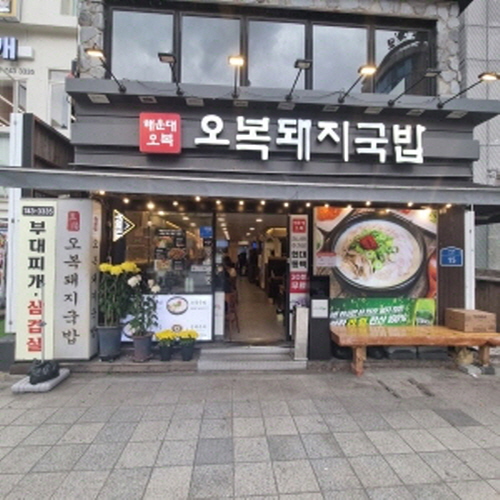
Traditional Dwaeji Gukbap (Busan-style pork soup) uses pork bones boiled for many hours, but you can achieve an exceptionally rich and clean broth at home using cuts readily available in Western supermarkets.
Main Broth & Meat
- Pork Shoulder / Pork Butt (or Pork Belly): 500g–600g (approx. 1.2–1.3 lbs). Pork shoulder gives a tender, lean, yet flavorful result. Pork belly adds extra richness.
- Water: 2 liters (approx. 8–8.5 cups).
- Aromatics for Boiling:
- 1 medium yellow onion (halved, skin removed)
- 6–8 cloves fresh garlic (smashed)
- 1 thumb-sized knob of fresh ginger (sliced)
- 2–3 scallions / green onions (white and green parts, roughly chopped)
- 1 tsp whole black peppercorns
- Optional: 1–2 bay leaves
- Broth Shortcut (Optional): Replace 2–3 cups of water with store-bought low-sodium pork bone broth or beef bone broth for added body. You may be able to find substitutes at large local supermarkets or Asian grocery stores.
Serving & Seasoning Accents
- Cooked Short-Grain White Rice: 2 bowls, served warm.
- Fresh Scallions / Green Onions: Finely sliced, for garnish.
- Salted Shrimp (Saeujeot): The traditional seasoning agent. Substitute: Fish sauce mixed with a tiny pinch of fine sea salt gives an identical savory, fermented umami kick.
- Ground Black Pepper or Perilla Seed Powder (Deulkkaegaru): To taste.
Quick Spicy Seasoning Paste (Dadaegi)
- 1 tbsp Korean red pepper flakes (Gochugaru) — Substitute: Mild chili powder or crushed chili flakes (ground fine) mixed with a drop of paprika
- 1 tbsp soup soy sauce or regular light soy sauce
- 1 tsp minced garlic
- 1 tsp mirin or rice cooking wine
- 1–2 tbsp of the hot broth to loosen
Step-by-Step Cooking Order
- Soak and Parboil the Pork: Soak the pork cut in cold water for 20–30 minutes to draw out excess surface blood. Drain. Bring a pot of plain water to a rolling boil, add the pork, and blanch for 5–7 minutes until gray on the outside. Remove the pork and discard the blanching water. Rinse the meat and the pot thoroughly under cold running water to eliminate scum.
- Simmer the Broth: Place the cleaned pork back into the clean pot. Add 2 liters of fresh water along with the halved onion, smashed garlic, ginger slices, scallions, and black peppercorns. Bring to a boil over high heat, skimming off any foam that rises. Once boiling, reduce the heat to medium-low, cover partially with a lid, and let it gently simmer for 50–70 minutes until the pork is fork-tender.
- Prepare the Spicy Paste (Dadaegi): In a small dish, mix the Gochugaru, minced garlic, soy sauce, and mirin. Let it hydrate while the broth cooks.
- Slice the Meat: Remove the pork from the broth and let it rest on a cutting board for 5–10 minutes. Strain the broth through a fine-mesh sieve into a clean pot to remove all spent aromatics. Slice the rested pork into bite-sized, thin pieces (approx. 0.5 cm / 0.2 inch thick).
- Reheat and Assemble: Return the sliced meat to the strained broth and bring it back to a gentle simmer for 2–3 minutes. Taste the base broth—it should be intentionally mild, as diners season their own bowls at the table.
- Serve: Place a scoop of warm rice into a deep soup bowl. Ladle hot broth and generous slices of pork over the rice. Top with plenty of freshly sliced green onions and black pepper. Serve immediately with the spicy paste (dadaegi), fish sauce/salted shrimp, and kimchi on the side.
Common Mistakes and How to Avoid Them
- Skipping the Parboil Step: Pork broth can quickly turn gamey or murky if the meat is not parboiled and rinsed first. Never skip the 5-minute blanch.
- Over-salting the Pot: Traditional Dwaeji Gukbap broth is left largely unseasoned during boiling. Over-salting the entire pot prevents individuals from customizing their bowl with salted shrimp or fish sauce and spicy dadaegi.
- Slicing Meat While Piping Hot: Slicing pork immediately after lifting it out of the boiling broth causes the slices to tear and lose moisture. Let it rest for 5 to 10 minutes before slicing.
- Boiling at a Harsh Rolling Boil: Simmer gently on medium-low. An aggressive boil will evaporate your liquid too quickly without extracting clean sweetness from the aromatics.
Storage Tips for Leftovers and Unused Ingredients
- Refrigeration: Allow the broth and meat to cool completely before storing in an airtight container. Keep in the refrigerator for up to 3–4 days. As it chills, the natural collagen will solidify and any fat will rise to the surface, making it easy to skim off if a leaner broth is preferred.
- Freezing: The strained broth freezes remarkably well for up to 2 months. Freeze the broth and sliced pork together in portioned freezer bags or deli containers. Thaw overnight in the fridge and reheat thoroughly on the stovetop.
- Unused Aromatics: Extra ginger knobs can be frozen whole or sliced. Leftover scallions should be thoroughly dried, chopped, and frozen in an airtight freezer container.
Spice Adjustment and Vegetarian Adaptations
- Spice Level Adjustment: The base broth is completely mild and kid-friendly. To increase heat, stir in a generous spoonful of the prepared Dadaegi and freshly sliced green chilies (such as jalapeño or serrano). To keep it mild, omit the paste entirely and season solely with fish sauce and a pinch of black pepper.
- Vegetarian Alternative: While pork is central to the dish’s identity, you can capture the comforting, cloudy rice-soup experience with a plant-based twist: simmer dried shiitake mushrooms, radish, onion, garlic, and a piece of kelp (dashima) for 40 minutes, adding a dash of unflavored oat milk or soy milk near the end for opacity. Substitute the pork slices with pan-seared thick king oyster mushrooms and pressed firm tofu. Season with light soy sauce and toasted sesame oil.
한국어 레시피 (해외 식재료 버전)
해외에서도 일반 마트에서 쉽게 구할 수 있는 돼지고기 부위를 활용해 부산식 돼지국밥의 깊고 구수한 맛을 깔끔하게 재현할 수 있는 실용 레시피입니다.
요약 정보
- 난이도: 보통 (끓이는 정성이 필요한 정도)
- 준비 시간: 약 15–20분
- 조리 시간: 약 60–90분
해외 마트 기준 재료 및 대체 팁
- 고기 부위: 돼지 목살 또는 어깨살(Pork Shoulder / Pork Butt), 혹은 삼겹살(Pork Belly) 500~600g. 현지 마트의 뼈 없는 덩어리육을 사용하면 손질이 매우 간편합니다.
- 육수용 향신 채소: 물 2L, 양파 1개, 통마늘 6~8알, 편 썬 생강 1톨, 대파 2~3대(서양 대파인 Leek의 흰 부분으로도 대체 가능), 통후추 1작은술, 월계수 잎 1장(선택).
- 양념 및 간: 새우젓이 없다면 피시소스(Fish Sauce) 1큰술에 소금 한 꼬집을 더해 사용하세요. 감칠맛과 간을 완벽하게 잡아줍니다. 대파 송송, 후춧가루 약간.
- 다대기(양념장): 고춧가루 1큰술, 국간장(또는 진간장) 1큰술, 다진 마늘 1작은술, 미림 1작은술, 끓인 육수 1~2큰술.
- 참고: 고기나 대체 향신료는 현지 대형 슈퍼마켓이나 아시안 마트 등에서 구하실 수 있습니다.
단계별 조리 순서
- 핏물 빼기 및 초벌 데치기: 고기를 찬물에 20~30분 담가 겉면의 핏물을 뺍니다. 냄비에 물을 넉넉히 끓인 뒤 고기를 넣고 센 불에서 5~7분간 데쳐냅니다. 겉면이 회색으로 익으면 고기를 건져내고 데친 물은 전량 버립니다. 냄비와 고기 겉면을 찬물로 깨끗이 씻어 불순물을 제거합니다.
- 육수 푹 끓이기: 깨끗해진 냄비에 고기, 물 2L, 양파 반 토막, 으깬 마늘, 생강 편, 대파, 통후추를 넣습니다. 끓기 시작할 때 생기는 거품을 한 번 걷어내고, 뚜껑을 살짝 비스듬히 닫은 뒤 중약불로 줄여 50~70분간 은근하게 푹 끓입니다.
- 다대기 만들기: 고기가 익는 동안 고춧가루, 간장, 다진 마늘, 미림을 섞어 다대기를 만들어 둡니다.
- 고기 썰기 및 육수 거르기: 푹 익은 고기는 꺼내 도마에서 5~10분 정도 식힙니다. 육수는 고운 체망에 걸러 향신 채소를 모두 버리고 맑은 국물만 냄비에 남깁니다. 한 김 식은 고기를 먹기 좋은 두께(약 0.5cm)로 얇게 썹니다.
- 데우기 및 완성: 맑게 거른 육수에 썬 고기를 다시 넣고 2~3분간 따뜻하게 한소끔 끓여냅니다. (육수 자체에는 간을 세게 하지 않는 것이 정석입니다.)
- 담아내기: 뚝배기나 국그릇에 따뜻한 밥을 담고, 뜨거운 국물과 고기를 넉넉히 얹습니다. 송송 썬 파와 후춧가루를 얹고, 기호에 맞게 피시소스(새우젓)와 다대기를 곁들여 먹습니다.
실패하기 쉬운 포인트 & 주의사항
- 초벌 데치기 생략: 뼈 없이 살코기 위주로 끓일 때 잡내를 잡는 핵심은 초벌 데치기와 냄비 세척입니다. 이 과정을 건너뛰면 국물이 탁해지고 잡내가 남을 수 있습니다.
- 육수 끓일 때 불 조절: 센 불로 계속 끓이면 국물만 급격히 졸아들고 고기가 퍽퍽해집니다. 끓어오른 뒤에는 반드시 중약불로 뭉근하게 우려내세요.
- 냄비 전체에 미리 간 맞추기 금지: 국밥은 각자의 취향에 맞춰 다대기, 새우젓(피시소스), 깍두기 국물 등을 더해 먹는 요리입니다. 냄비 전체에 소금을 많이 치면 국물 본연의 깔끔함이 사라집니다.
남은 재료 및 보관 팁
- 냉장 보관: 남은 국물과 고기는 완전히 식힌 뒤 밀폐용기에 담아 냉장 보관하면 3~4일간 신선합니다. 차가워지면 국물이 젤리처럼 굳고 상단에 흰 기름막이 생기는데, 담백한 맛을 원하시면 이 기름을 숟가락으로 걷어내고 데우시면 됩니다.
- 냉동 보관: 1인분씩 국물과 고기를 소분해 냉동실에 넣으면 최대 2달까지 보관 가능합니다. 드시기 전날 냉장고에서 해동한 뒤 냄비에 끓여 드세요.
맵기 조절 및 채식 변형 안내
- 맵기 조절: 기본 국물은 전혀 맵지 않아 누구나 편안하게 즐길 수 있습니다. 칼칼한 맛을 원하시면 다대기를 넉넉히 풀고 청양고추 대신 할라피뇨(Jalapeño)나 세라노(Serrano) 고추를 얇게 썰어 띄우면 한국 현지 수준의 얼큰한 국밥이 완성됩니다.
- 채식 옵션: 돼지고기 대신 두껍게 썬 새송이버섯과 단단한 두부(Firm Tofu)를 노릇하게 구워 준비하고, 말린 표고버섯, 무, 다시마, 양파로 진한 채수를 낸 뒤 무가당 두유를 1~2스푼 섞어 뽀얀 색감을 내면 훌륭한 채식 국밥 스타일로 즐기실 수 있습니다.