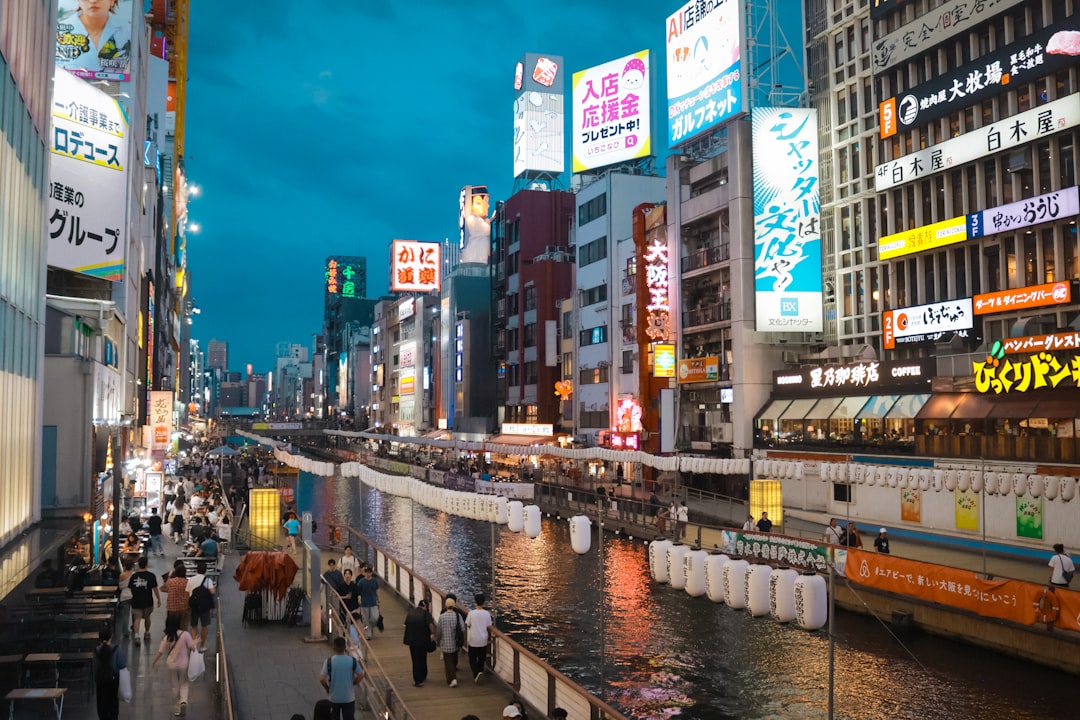
Planning an itinerary for Osaka often results in an overwhelming checklist of crowded commercial centers and long ticket queues. This 5-night, 6-day travel guide bypasses mainstream tourist staples to explore Osaka’s true residential character, historic merchant corridors, distinct culinary subcultures, and nostalgic post-war enclaves like a seasoned resident.
Quick Trip Overview
- Target Traveler: Independent explorers, culture enthusiasts, and food lovers seeking neighborhood depth over commercial landmarks.
- Core Route: Karahori & Doguyasuji → Taisho & Fukushima → Sakai Artisan District → Tsuruhashi & Kyobashi → Expo ’70 Park & Juso → Kizu Market.
- Estimated Transit & Activity Time: 6–8 hours active exploration daily at a steady, unhurried pace.
- Approximate Daily Budget: ¥6,000–¥11,000 per person per day (covering meals, transit, and small museum entry; excluding flights and lodging).
- Primary Caution: Residential alleyways and local markets operate on strict local etiquette; quiet volume and cash readiness are essential.
Cost, Pacing, and Transport Summary
Publishing Context: September 2026 reference window. Fares, admission rates, and operational hours are general estimates and are subject to change. Verify operating status through official provider channels prior to travel.
- Estimated Transport Cost: Approximately ¥1,200–¥2,200 per day using prepaid IC cards (ICOCA / Suica) across Osaka Metro, JR West, Nankai, and Hankyu systems.
- Walking Intensity: Moderate to high (12,000–18,000 steps per day) traversing residential shopping streets, parks, and train stations.
- Trip Pacing: Balanced loop clustering geographically adjacent districts to minimize transit fatigue.
1-Day Route Snapshot (For Limited Schedules)
For visitors holding only a single open day to experience Osaka away from excessive crowds, this curated single-day loop connects historic residential craft culture with canal-side culinary dining:
| Sequence | District / Stop | Transport Method | Rough Duration | Highlight & Caution |
|---|---|---|---|---|
| Morning | Karahori Nagaya Alleys | Osaka Metro Tanimachi Line to Matsuyamachi/Tanimachi 6-chome | 2.5 hours | Preserved pre-war row houses; keep conversation low in quiet courtyards. |
| Midday | Sennichimae Doguyasuji Kitchen Arcade | Walk or Metro to Namba Station | 2 hours | Professional kitchen tools and ceramics; aisles can be narrow. |
| Late Afternoon | Taisho Ward & Kizugawa Watashibune | JR Loop Line or Osaka City Bus to Taisho | 2 hours | Free public river ferry; runs at designated municipal intervals. |
| Evening | Fukushima Gourmet Alleyways | JR Osaka Loop Line to Fukushima Station | 2.5 hours | Artisanal yakitori and casual bistros; popular venues fill quickly. |
When this itinerary works best
This walking-heavy itinerary operates comfortably during shoulder periods featuring mild temperatures and manageable humidity. Because much of the route relies on outdoor arcade browsing, residential slope walking, and open-air municipal ferries, extreme summer heat or heavy downpours can increase fatigue. Autumn and spring provide pleasant walking conditions, though indoor covered arcades (shotengai) make substantial portions weather-resilient.
Accommodation Recommendation
Recommended Base: Honmachi or Yodoyabashi Area
Choosing a central hub along the Osaka Metro Midosuji Line allows easy north-south navigation without remaining directly inside noisy party centers. Honmachi offers seamless transfers between the Midosuji, Chuo, and Yotsubashi subway lines, reducing transfer steps after long walking days.
Day 1: Arrival, Kitchenware Craft, and Preserved Nagaya Architecture
| Time | Route / Activity | Transport | Approx. Time | Cost Note |
|---|---|---|---|---|
| 14:00 – 15:30 | Hotel check-in & orientation around Honmachi | Nankai Line + Metro from KIX | 1.5 hours | ¥1,100–¥1,450 rail fare |
| 16:00 – 17:30 | Sennichimae Doguyasuji Kitchen Arcade | Metro Midosuji Line to Namba | 1.5 hours | Free to browse / ¥200 train |
| 18:00 – 20:30 | Karahori Shopping Street & Nagaya renovated dinner | Walk or Metro to Tanimachi 6-chome | 2.5 hours | ¥2,000–¥3,500 per meal |
Route Logic & Practical Notes: After arriving from Kansai Airport, avoid the hyper-crowded main avenues. Doguyasuji is a dedicated supply district where Osaka’s chefs source cooking knives, noren curtains, and takoyaki plates. From there, head slightly east to Karahori, an area that survived wartime bombings and features converted wooden nagaya (row-house complexes like Ren and Ro). Travel fatigue on Day 1 is kept light with minimal subway transfers. Mind that boutique cafes in Karahori often close earlier than commercial retail chains.
Day 2: Industrial Waterways, Little Okinawa, and Gourmet Railway Arches
| Time | Route / Activity | Transport | Approx. Time | Cost Note |
|---|---|---|---|---|
| 10:00 – 12:30 | Taisho District exploration & Hirao Shotengai | JR Osaka Loop Line to Taisho + Local Bus | 2.5 hours | ¥400–¥500 transit |
| 13:00 – 14:30 | Ochano-Watashi municipal pedestrian ferry ride | Foot / Ferry boarding | 1.5 hours | Free municipal ferry |
| 17:00 – 20:30 | Fukushima dining alleys & craft beer backstreets | JR Loop Line to Fukushima Station | 3.5 hours | ¥2,500–¥4,500 dinner |
Route Logic & Practical Notes: Taisho Ward is home to generations of Okinawan migrants who established distinct dining spots, soba counters, and produce shops around Hirao. The municipal ferry (Watashibune) across the Kizugawa river is a historic daily public transport service still run for neighborhood commuters. Later, the evening shifts to Fukushima, an atmospheric dining enclave where small, independent izakayas and modern wine bars cluster under the railway viaducts. Modest walking stamina is required around Taisho’s wide industrial avenues.
Day 3: South Bound: Sakai Knife Craft, Merchant History, and Tengachaya
| Time | Route / Activity | Transport | Approx. Time | Cost Note |
|---|---|---|---|---|
| 09:30 – 12:00 | Sakai Traditional Crafts Museum & Blade Shops | Nankai Main Line to Sakai Station | 2.5 hours | ¥260–¥350 train |
| 12:30 – 15:00 | Sakai historic merchant homes & green tea stop | Hankai Tramway / On foot | 2.5 hours | ¥230 tram / ¥800 tea |
| 17:00 – 20:00 | Tengachaya retro residential streets & local dinner | Nankai Line back to Tengachaya | 3 hours | ¥2,000–¥3,500 food |
Route Logic & Practical Notes: Located just south of Osaka city borders, Sakai is the historic capital of Japanese blacksmithing, kitchen knives, and Sen no Rikyu’s tea culture. Riding the vintage Hankai Tramway provides a slow-paced glimpse of everyday life. On the return trip, stop at Tengachaya Station to explore relaxed residential shopping arcades and small family-run eateries. Knife workshops and museum display areas frequently close on irregular dates; confirm operational calendars ahead.
Day 4: Deep Retro Alleys: Tsuruhashi Markets to Kyobashi Nightlines
| Time | Route / Activity | Transport | Approx. Time | Cost Note |
|---|---|---|---|---|
| 10:00 – 13:00 | Tsuruhashi labyrinthine arcade & wholesale lanes | JR Loop Line or Metro to Tsuruhashi | 3 hours | ¥200 transit / ¥1,500 lunch |
| 14:00 – 16:30 | Ikuno Miyuki-dori residential market & teahouses | Walk south from Tsuruhashi | 2.5 hours | ¥500–¥1,000 snacks |
| 17:30 – 20:30 | Kyobashi stand-up bars (Tachinomi) & neon alleys | JR Loop Line to Kyobashi Station | 3 hours | ¥2,000–¥3,500 food/drinks |
Route Logic & Practical Notes: Tsuruhashi holds one of Japan’s most historic Korean markets, centered around a dense maze of railway arches and specialized wholesale stands selling kimchi, fabrics, and grilled meats. Walking toward Ikuno leads along quiet residential street fronts. In the evening, the JR Loop Line carries you straight to Kyobashi, known for its unpretentious, working-class tachinomi (standing bars) and retro atmosphere. Narrow market walkways require mindful pedestrian manners; carry cash as many stalls do not accept cards.
Day 5: 1970s Modernism, Northern Greenery, and Juso Under the Tracks
| Time | Route / Activity | Transport | Approx. Time | Cost Note |
|---|---|---|---|---|
| 09:30 – 13:30 | Expo ’70 Commemorative Park & Tower of the Sun exterior | Osaka Metro to Senri-Chuo + Osaka Monorail | 4 hours | ¥260 park entry / ¥600 transit |
| 14:30 – 17:00 | Minoh suburban train connection or relaxed cafe rest | Hankai/Hankyu Railway connecting routes | 2.5 hours | ¥800 cafe |
| 17:30 – 20:30 | Juso commercial quarters & Yodogawa riverside walk | Hankyu Line to Juso Station | 3 hours | ¥2,000–¥3,000 dinner |
Route Logic & Practical Notes: Heading northward offers wide-open landscapes and iconic post-war Japanese modernist design at Expo ’70 Park. Afterwards, take the Hankyu Railway to Juso, a vibrant rail junction famous for nostalgic drinking streets, old confectioneries, and quiet proximity to the Yodogawa river embankments. Expo Park involves substantial walking across grassy fields, so supportive footwear is essential.
Day 6: Early Wholesale Market Breakfast and Departure
| Time | Route / Activity | Transport | Approx. Time | Cost Note |
|---|---|---|---|---|
| 07:30 – 09:30 | Osaka Kizu Wholesale Market (seafood breakfast) | Metro to Daikokucho Station | 2 hours | ¥1,500–¥2,500 breakfast |
| 10:30 – 12:00 | Final packing & checkout in Honmachi | Metro Midosuji Line | 1.5 hours | — |
| 12:30 – 14:00 | Transfer to Kansai International Airport (KIX) | Nankai Rapid/Airport Express from Namba | 1.5 hours | ¥970–¥1,490 train |
Route Logic & Practical Notes: Kizu Wholesale Market is an authentic working market that supplies local restaurants rather than mass tourists. Market eateries serve early seafood donburi, udon, and seasonal produce. Be cautious around forklifts and working transport carts. After returning to your hotel to pack, take the Nankai Line directly from Namba toward KIX for an unhurried airport check-in.
Rainy-Day Alternatives
- Covered Shotengai Chains: Switch outdoor walks to extended covered arcades such as Semba Center Building (an underground wholesale labyrinth) or underground transit shopping avenues like Whity Umeda.
- Sakai Traditional Crafts Museum: A fully sheltered facility where knife sharpening and craft displays can be experienced indoors.
Who this trip fits best
- Solo Travelers & Couples: Excellent for visitors interested in quiet residential architecture, authentic izakaya counters, artisan crafts, and relaxed transit journeys.
- Repeat Visitors: Ideal for travelers who have already seen Osaka’s typical tourist landmarks and want a deeper, authentic community perspective.
Who may prefer a different route
- First-time visitors seeking bucket-list icons: Travelers wanting neon billboards, castle towers, and theme parks may feel underwhelmed by quiet residential lanes.
- Families with toddlers: The high step counts and narrow aisles of wholesale markets and tachinomi bars can present logistical challenges with strollers.
* Schedules, prices, and operating status should be checked through official channels before visiting.
Osaka, Japan 5 Nights 6 Days 여행 가이드
오사카는 화려한 도톤보리의 간판이나 대형 테마파크 뒤편으로 수많은 세월의 층위가 깃든 골목들이 공존하는 도시입니다. 이번 5박 6일 여정은 뻔한 관광 랜드마크 대신, 서민들의 정취가 남아 있는 재래시장, 전소(戰燒)를 피해 남은 옛 나가야(목조 연립주택) 골목, 그리고 장인 문화와 생활 수로를 따라 걷는 ‘현지인 밀착형’ 코스입니다.
핵심 요약
- 추천 대상: 복잡한 인파를 피해 오사카 고유의 골목 감성과 로컬 식문화를 깊이 체험하고 싶은 여행자.
- 주요 동선: 가라호리 & 도구야스지 → 다이쇼 & 후쿠시마 → 사카이 칼·공예 지구 → 쓰루하시 & 교바시 → 엑스포 70 기념공원 & 주소 → 기즈 도매시장.
- 일일 예상 소요 시간: 하루 약 6–8시간 내외의 안정적인 보행 및 관람.
- 대략적 비용: 1인 1일 약 6,000–11,000엔 (교통, 식비, 입장료 기준 / 항공·숙박 제외).
- 주의사항: 거주 지구와 좁은 상점 골목이 포함되어 있으므로 보행 시 정숙을 유지하고 현금을 준비하는 것이 유리합니다.
비용 및 이동 소요 시간 요약
게시 문맥 안내: 2026년 9월 기준 정보로 작성되었습니다. 물가, 현지 운임 및 시설 운영 상태는 현지 사정에 따라 수시로 변동될 수 있으므로 출발 전 공식 홈페이지를 통해 재확인하시기 바랍니다.
- 일일 교통비: ICOCA 등 교통카드 이용 기준 하루 약 1,200–2,200엔 수준 (오사카 메트로, JR, 난카이, 한큐 전철).
- 보행 강도: 중간 이상 (일일 평균 12,000–18,000보). 시장과 골목 탐방 비중이 큽니다.
- 여정 완급 조절: 동일 생활권 및 노선 중심의 동선 배치로 불필요한 환승 피로를 줄였습니다.
1일 단기 추천 코스 요약표
일정이 촉박하여 단 하루만 현지인 스타일로 오사카를 경험하고자 하는 여행객을 위한 압축 코스입니다.
| 시간대 | 권역 / 주요 스팟 | 이동 수단 | 소요 시간 | 먹거리·볼거리 및 주의사항 |
|---|---|---|---|---|
| 오전 | 가라호리 나가야 골목 | 메트로 다니마치선 다니마치6초메역 | 2.5시간 | 재생 목조 가옥 및 조용한 카페; 거주민 프라이버시 보호 주의. |
| 낮 | 센니치마에 도구야스지 상점가 | 도보 또는 메트로 난바역 이동 | 2시간 | 요리 도구 및 식기 상점가 탐방; 통로가 협소함. |
| 늦은 오후 | 다이쇼 구 & 기즈가와 무료 도선 | JR 순환선 다이쇼역 또는 시내버스 | 2시간 | 시민용 무료 나룻배 탑승; 운항 시간표 사전 체크. |
| 저녁 | 후쿠시마 철도 하부 미식 골목 | JR 오사카 순환선 후쿠시마역 | 2.5시간 | 야키토리, 와인 바, 로컬 비스트로; 인기 매장은 조기 만석. |
숙소 추천 권역
혼마치(Honmachi) 또는 요도야바시(Yodoyabashi) 권역
난바나 우메다의 지나친 유흥 소음에서 한 발짝 벗어나 있으면서도, 오사카 메트로의 핵심 축인 미도스지선, 주오선, 요쓰바시선 환승이 용이하여 남북 이동 및 외곽 이동 시 피로를 크게 줄일 수 있습니다.
Day 1: 오사카 입국, 주방 도구 골목과 가라호리 나가야의 미학
| 시간 | 동선 / 활동 | 교통 | 예상 시간 | 비용 참고 |
|---|---|---|---|---|
| 14:00 – 15:30 | 간사이 공항 도착 및 혼마치 숙소 체크인 | 난카이 공항선 + 메트로 환승 | 1.5시간 | 전철 약 1,100–1,450엔 |
| 16:00 – 17:30 | 센니치마에 도구야스지 주방 도구 거리 | 메트로 미도스지선 난바역 | 1.5시간 | 자유 관람 / 전철 200엔 내외 |
| 18:00 – 20:30 | 가라호리 상점가 및 개조 나가야 석식 | 도보 또는 메트로 다니마치6초메 | 2.5시간 | 식사 약 2,000–3,500엔 |
상세 가이드:
간사이 공항을 통해 입국한 뒤 중심지 숙소에 짐을 풀고 첫날의 피로를 최소화하는 동선입니다.
도구야스지는 오사카 주방 문화의 심장부로 전문가용 칼, 타코야키 팬, 도자기 그릇 등이 빼곡합니다.
이후 동쪽의 가라호리 골목으로 이동합니다. 이곳은 공습을 피한 목조 가옥(나가야)을 재생한 ‘렌(練)’, ‘로(惣)’ 등의 복합 공간이 있어 고즈넉한 분위기 속에 식사와 차를 즐길 수 있습니다.
가라호리의 공방과 카페는 비교적 일찍 문을 닫는 편이므로 저녁 방문 전 영업 여부를 확인해야 합니다.
Day 2: 수로의 역사, 다이쇼 오키나와 마을과 후쿠시마 뒷골목 미식
| 시간 | 동선 / 활동 | 교통 | 예상 시간 | 비용 참고 |
|---|---|---|---|---|
| 10:00 – 12:30 | 다이쇼 구 히라오 상점가 탐방 | JR 순환선 다이쇼역 + 시내버스 | 2.5시간 | 교통 약 400–500엔 |
| 13:00 – 14:30 | 기즈가와 공공 도선(와타시부네) 탑승 | 도보 이동 | 1.5시간 | 시영 도선 무료 |
| 17:00 – 20:30 | 후쿠시마역 철교 아래 선술집 골목 석식 | JR 순환선 후쿠시마역 이동 | 3.5시간 | 석식 약 2,500–4,500엔 |
상세 가이드:
다이쇼 구는 과거 공업 단지로 이주해 온 오키나와 출신 주민들이 독자적인 문화를 형성한 곳입니다.
히라오 상점가 주변에서 오키나와 소바나 사타안다기 같은 소박한 간식을 맛보고, 다리 대신 강을 건너는 시민용 무료 도선(와타시부네)에 몸을 실어 물의 도시 오사카의 원형을 체감할 수 있습니다.
저녁에는 직장인들의 미식 명소로 유명한 후쿠시마로 이동하여 고가 철도 밑 골목의 야키토리나 로컬 와인 바에서 식사를 즐겨보세요.
다이쇼 지역은 도보 거리가 길어 편안한 운동화 착용이 필수입니다.
Day 3: 남부 장인 지구: 사카이 칼 공예와 덴가차야의 서민 풍경
| 시간 | 동선 / 활동 | 교통 | 예상 시간 | 비용 참고 |
|---|---|---|---|---|
| 09:30 – 12:00 | 사카이 전통산업회관 (칼·공예 전시) | 난카이 본선 사카이역 하차 | 2.5시간 | 전철 약 260–350엔 |
| 12:30 – 15:00 | 사카이 구시가지 및 한카이 노면전차 탑승 | 한카이 전기궤도 / 도보 | 2.5시간 | 노면전차 230엔 / 찻집 800엔 |
| 17:00 – 20:00 | 덴가차야역 주변 주택가 상점가 석식 | 난카이선 덴가차야역 복귀 | 3시간 | 식사 약 2,000–3,500엔 |
상세 가이드:
오사카 남쪽에 위치한 사카이는 센노 리큐의 다도 문화와 세계적인 주방 식칼 제조 기술이 살아 숨 쉬는 역사 도시입니다.
전통산업회관에서는 장인들의 연마 기술과 칼의 역사를 살필 수 있으며, 오사카의 마지막 노면전차인 한카이선을 타면 느린 속도로 지나가는 옛 거리의 정취를 느낄 수 있습니다.
도심으로 돌아오는 길목의 덴가차야는 관광객이 드문 주거 권역으로, 정겨운 정식집과 가족 단위 단골이 많은 이자카야가 매력적입니다.
수제 칼 공방 견학은 비정기 휴무가 잦으므로 사전 일정을 반드시 확인하세요.
Day 4: 동오사카의 삶: 쓰루하시 미로 시장과 교바시의 타치노미
| 시간 | 동선 / 활동 | 교통 | 예상 시간 | 비용 참고 |
|---|---|---|---|---|
| 10:00 – 13:00 | 쓰루하시 역 하부 미로 시장 골목 | JR 순환선 쓰루하시역 | 3시간 | 중식 약 1,500–2,000엔 |
| 14:00 – 16:30 | 이쿠노 미유키도리 상점가 산책 | 도보 남하 이동 | 2.5시간 | 간식류 500–1,000엔 |
| 17:30 – 20:30 | 교바시 서민형 스탠딩 바(타치노미) 거리 | JR 순환선 교바시역 이동 | 3시간 | 주류 및 안주 약 2,000–3,500엔 |
상세 가이드:
쓰루하시역 철교 밑에 얽혀 있는 미로 같은 아케이드는 전쟁 직후 암시장에서 출발한 깊은 역사를 간직하고 있습니다.
다양한 식자재 도매상과 고기 굽는 냄새가 가득한 골목을 지나 남쪽 이쿠노의 조용한 주택가 상점가까지 걸어보세요.
저녁에는 JR 순환선을 이용해 오사카 동북부의 관문이자 서민 유흥가인 교바시로 이동합니다. 서서 술과 안주를 즐기는 타치노미(立ち飲み) 문화가 발달해 있어 현지 퇴근길 직장인들의 에너지를 가깝게 마주할 수 있습니다.
시장 내부 통로는 매우 비좁으므로 대형 가방 소지를 피하고 현금 결제를 기본으로 대비하세요.
Day 5: 근대 디자인과 교외의 여유: 만국박람회 기념공원과 주소
| 시간 | 동선 / 활동 | 교통 | 예상 시간 | 비용 참고 |
|---|---|---|---|---|
| 09:30 – 13:30 | 엑스포 70 기념공원 (태양의 탑 외관 및 녹지) | 메트로 센리추오역 + 오사카 모노레일 | 4시간 | 공원 입장료 260엔 / 교통비 |
| 14:30 – 17:00 | 북부 교외 한큐 전철 연결 및 티타임 | 한큐 전철 환승 | 2.5시간 | 카페 약 800엔 |
| 17:30 – 20:30 | 주소(Juso) 레트로 상점가 및 요도가와 둔치 | 한큐선 주소역 하차 | 3시간 | 석식 약 2,000–3,000엔 |
상세 가이드:
5일 차는 오사카 북부 외곽으로 확장하여 1970년 일본 전후 경제 성장을 상징하는 엑스포 70 기념공원을 방문합니다.
오카모토 타로가 디자인한 ‘태양의 탑’의 거대한 조형미와 광활한 수목원을 걷는 것만으로도 도심과 전혀 다른 해방감을 줍니다.
오후 늦게 한큐 전철의 환승 중심지인 주소(Juso)로 이동해 쇼와 레트로 분위기가 짙게 밴 상점가를 구경하고 인근 요도가와 강둑을 산책하며 여행을 마무리해보세요.
공원 부지가 매우 넓으므로 날씨 변화에 맞춘 방한/자외선 차단 장비가 필요합니다.
Day 6: 기즈 도매시장 조식과 귀국 준비
| 시간 | 동선 / 활동 | 교통 | 예상 시간 | 비용 참고 |
|---|---|---|---|---|
| 07:30 – 09:30 | 오사카 기즈 도매시장 아침 해산물 덮밥 | 메트로 다이코쿠초역 하차 | 2시간 | 조식 약 1,500–2,500엔 |
| 10:30 – 12:00 | 숙소 복귀 후 체크아웃 및 짐 정리 | 메트로 미도스지선 | 1.5시간 | — |
| 12:30 – 14:00 | 간사이 국제공항(KIX) 이동 및 수속 | 난카이선 난바역에서 공항행 탑승 | 1.5시간 | 전철 약 970–1,490엔 |
상세 가이드:
마지막 날 아침은 관광객 위주의 시장 대신 현지 조리사들이 재료를 수급하는 유서 깊은 ‘기즈 도매시장’으로 향합니다.
신선한 제철 회덮밥이나 따뜻한 우동으로 든든하게 아침 식사를 즐긴 뒤 숙소로 복귀하여 짐을 정리합니다.
난바역에서 난카이 공항급행 또는 라피트를 이용하면 간사이 공항까지 직통으로 이동할 수 있어 항공편 탑승 2.5~3시간 전 여유롭게 공항에 도착할 수 있습니다.
기즈 도매시장은 지게차와 운반차가 수시로 오가므로 통행 시 안전에 각별히 유의해야 합니다.
방문 전 필수 확인 사항
일정, 가격, 운영 여부는 방문 전 공식 채널에서 확인하세요.
본 일정에서 다루는 개인 공방, 주택가 카페, 재래시장 내 식당, 공공 도선 및 사설 노면전차는 기상 상황이나 현지 운영 사정에 따라 운영 시간이나 휴무일이 사전 공지 없이 변경될 수 있습니다.