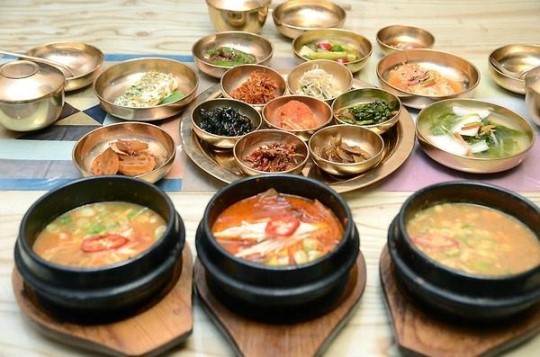
Quick Overview
Doenjang-guk is a comforting, everyday Korean soybean paste soup. Unlike the thicker and more concentrated Doenjang-jjigae (stew), Doenjang-guk has a lighter, milder broth, making it the perfect soup to pair with a bowl of steamed rice.
- Difficulty: Easy
- Prep Time: 10 to 15 minutes
- Cook Time: 15 to 20 minutes
Ingredients and Realistic Substitutions
You may be able to find these ingredients at large local supermarkets or Asian grocery stores.
- Doenjang (Korean Soybean Paste): 2 to 3 tablespoons. This is the star of the dish. If you cannot find Korean Doenjang, you can substitute it with Japanese dark/red miso, though the flavor will be slightly sweeter and less earthy.
- Broth: 4 cups of water. Traditionally made with dried anchovy and kelp broth. You can easily substitute this with vegetable broth, dashi powder, or even plain water if you are in a pinch.
- Tofu: 1/2 block of medium or firm tofu, cut into bite-sized cubes.
- Zucchini: 1/2 of a medium zucchini, sliced into half-moons. (Yellow squash works perfectly as a substitute).
- Onion: 1/2 of a medium yellow onion, chopped.
- Garlic: 1 tablespoon of minced garlic.
- Green Onions: 1 to 2 stalks, chopped.
- Optional Greens: A handful of baby spinach, napa cabbage, or pak choi (bok choy) works wonderfully in this soup.
Step-by-Step Cooking Order
- Prepare the Broth: In a medium pot, bring 4 cups of water (or your choice of broth) to a boil. If using an anchovy broth packet, boil it for about 10 minutes, then remove the packet.
- Dissolve the Doenjang: Reduce the heat to medium. Add 2 to 3 tablespoons of Doenjang to the pot. To ensure a smooth broth without clumps, you can dissolve the paste through a fine-mesh strainer directly into the boiling water using a spoon.
- Add the Vegetables: Add the chopped onions and zucchini (or squash) to the pot. Let them simmer for about 5 to 7 minutes until they begin to soften.
- Add Tofu and Garlic: Gently stir in the cubed tofu and minced garlic. Let the soup simmer for another 3 to 5 minutes so the tofu absorbs the savory flavors.
- Finish with Greens and Green Onions: If you are using spinach or cabbage, add them now. Stir in the chopped green onions and let them cook for 1 minute before turning off the heat. Serve hot with a bowl of rice.
Common Mistakes and How to Avoid Them
- Boiling the Doenjang Too Long: Boiling Doenjang for an excessive amount of time can dull its complex, earthy aroma. Add the paste after the broth is ready, and keep the cooking time under 20 minutes once the paste is dissolved.
- Broth is Too Salty: Different brands of Doenjang have varying levels of saltiness. Start with 2 tablespoons, taste the broth, and add more only if needed. If it becomes too salty, simply dilute it with a splash of water or unsalted broth.
- Using Sweet White Miso: Avoid using light, sweet white miso as a direct 1:1 substitute. It lacks the deep, fermented depth required for a traditional Doenjang-guk. If you must use miso, opt for dark or red varieties.
Storage Tips for Leftovers and Unused Ingredients
- Leftover Soup: Allow the soup to cool completely, then transfer it to an airtight container. Store in the refrigerator for up to 3 days. Reheat gently on the stovetop over medium heat.
- Unused Tofu: Place the remaining tofu in a container, submerge it completely in clean water, and seal it. Store in the fridge and change the water daily; it will stay fresh for up to 3 to 4 days.
- Doenjang Paste: Once opened, keep the Doenjang tub tightly sealed in the refrigerator. It has a long shelf life and can last for several months to a year if kept free of moisture and clean utensils are used to scoop it.
Spice Adjustment or Vegetarian Option
- To Make it Spicy: Add 1/2 teaspoon of Gochugaru (Korean chili flakes) or toss in some sliced jalapeño or serrano peppers along with the green onions for a clean, spicy kick.
- To Make it Vegetarian/Vegan: Ensure you use a vegetable-based broth (such as dried shiitake mushroom and kelp broth) or plain water instead of the traditional anchovy-based broth. Doenjang itself is naturally vegan.
한국어 레시피 (해외 식재료 버전)
해외에서도 쉽게 구할 수 있는 재료들로 깊고 구수한 맛의 된장국을 끓여보세요. 아침 식사나 가벼운 저녁 식사에 곁들이기 좋습니다.
난이도 및 소요 시간
- 난이도: 쉬움
- 준비 시간: 10 ~ 15분
- 조리 시간: 15 ~ 20분
재료 및 대체 식재료 안내
아래 재료들은 현지 대형 마트나 아시안 마켓에서 찾아보실 수 있습니다.
- 된장: 2~3 큰술 (한인 마트나 아시안 마켓에서 구입 가능합니다. 급한 경우 일본식 적미소(Red Miso)로 대체할 수 있으나, 단맛이 강하고 깊은 맛이 덜할 수 있습니다.)
- 육수: 물 4컵. (멸치 다시마 팩을 사용하면 가장 좋지만, 구하기 어렵다면 야채 육수(Vegetable Broth), 다시 가루, 혹은 일반 생수를 사용하셔도 좋습니다.)
- 두부: 1/2 모 (Medium 또는 Firm 두부를 한입 크기로 깍둑썰기합니다.)
- 주키니 호박: 1/2개 (현지 마트의 주키니나 옐로우 스쿼시(Yellow Squash)를 반달 모양으로 썰어 사용합니다.)
- 양파: 1/2개 (한입 크기로 썰어줍니다.)
- 다진 마늘: 1 큰술
- 대파: 1~2대 (송송 썰어 준비합니다.)
- 선택 재료: 시금치(Baby Spinach), 알배기 배추(Napa Cabbage) 또는 청경채를 한 줌 넣으면 더욱 풍성해집니다.
조리 순서
- 육수 끓이기: 냄비에 물 4컵(또는 준비한 육수)을 붓고 끓입니다. 육수 팩을 사용하신다면 물이 끓기 시작한 후 약 10분간 우려낸 뒤 건져냅니다.
- 된장 풀기: 불을 중불로 줄이고 된장 2~3 큰술을 넣습니다. 체에 걸러서 숟가락으로 풀어주면 뭉침 없이 깔끔하고 부드러운 국물이 됩니다.
- 채소 넣기: 썰어둔 양파와 주키니 호박을 넣고 채소가 부드러워질 때까지 약 5~7분간 끓입니다.
- 두부와 마늘 넣기: 깍둑썰기한 두부와 다진 마늘 1 큰술을 넣고, 두부에 간이 배도록 3~5분간 더 끓여줍니다.
- 대파 및 채소 마무리: 시금치나 배추를 넣으실 경우 이때 함께 넣어줍니다. 마지막으로 송송 썬 대파를 넣고 1분간 더 끓인 후 불을 끕니다. 따뜻한 밥과 함께 맛있게 드세요!
자주 하는 실수와 팁
- 된장을 너무 오래 끓이는 경우: 된장은 너무 오래 끓이면 고유의 구수한 향이 날아갑니다. 육수가 완성된 후에 된장을 풀고, 총 조리 시간이 20분을 넘지 않도록 해주세요.
- 국물이 너무 짤 때: 된장 브랜드마다 염도가 다릅니다. 처음부터 많이 넣지 말고 2 큰술을 먼저 푼 뒤 간을 보고 추가하세요. 짜다면 물을 조금 더 부어 조절하시면 됩니다.
남은 재료 보관법
- 남은 된장국: 완전히 식힌 후 밀폐 용기에 담아 냉장 보관하시고, 3일 이내에 데워 드시기 바랍니다.
- 남은 두부 보관: 밀폐 용기에 두부가 완전히 잠기도록 깨끗한 물을 붓고 보관하세요. 매일 물을 갈아주면 3~4일간 신선하게 유지됩니다.