Global Insight
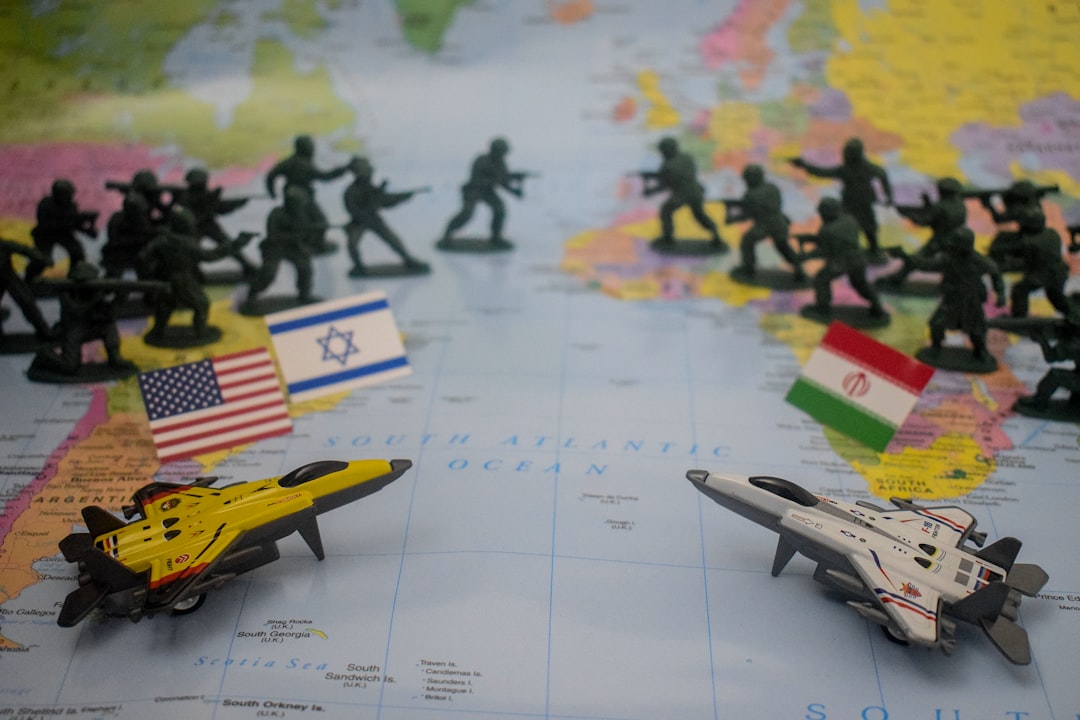
The global stage is a tinderbox, and the latest Geopolitics Weekly report confirms our worst fears: a dangerous confluence of escalating conflicts in the Middle East and South Asia, compounded by persistent US inflation, is setting the stage for an unprecedented era of instability. The specter of a US-Israel-Iran war looms large, threatening to ignite a region vital to global energy supplies and trade routes. Simultaneously, the Afghanistan-Pakistan border is ablaze with renewed hostilities, destabilizing a nuclear-armed region and creating a potential new front for international concern. This isn’t merely a collection of isolated incidents; it’s a synchronized drumbeat of discord signaling a fundamental shift in the global power dynamic.
The economic repercussions of this geopolitical maelstrom are profound and immediate. As the threat of conflict in the Middle East intensifies, so too does the “war premium” on global oil prices, directly impacting everything from transportation costs to manufacturing. This external pressure is slamming into an already fragile US economy grappling with stubbornly high inflation, creating a perfect storm for global markets. Supply chains, still reeling from the pandemic, face renewed disruption, while investor confidence plummets amidst rising uncertainty. The cost of war extends far beyond the battlefield, translating into higher prices at the pump, increased grocery bills, and a palpable sense of economic insecurity for billions worldwide.
Why does this matter to your life? Because the intricate web of global economics means these distant conflicts directly impact your wallet, your job prospects, and the stability of your future. Rising energy costs fuel inflation, eroding purchasing power. Geopolitical instability deters investment, potentially slowing economic growth and job creation. Furthermore, the erosion of international norms and the increasing likelihood of proxy wars could lead to a more dangerous, unpredictable world order, affecting everything from travel security to international trade agreements. Ignoring these converging crises is no longer an option; understanding their profound implications is essential for navigating the turbulent times ahead.
심층 분석 (Korean)
- 중동 및 남아시아 분쟁의 동시 발생과 세계 질서 재편
- 미국 인플레이션 심화가 글로벌 경제에 미치는 파급 효과
- 에너지, 공급망, 투자 환경에 대한 복합적 위협 증대
최근 지정학적 동향은 중동과 남아시아에서 동시에 발생하는 분쟁들이 전 세계에 미치는 심각한 영향을 명확히 보여주고 있습니다. 미국-이스라엘-이란 간의 긴장 고조는 핵 확산 위험과 함께 호르무즈 해협과 같은 핵심 해상 무역로의 안보를 위협하며, 이는 곧 글로벌 에너지 시장의 불안정으로 직결됩니다. 동시에 아프가니스탄-파키스탄 국경의 분쟁 격화는 핵 보유국 간의 잠재적 충돌 위험을 높이고, 지역 내 테러리즘 확산 가능성을 증대시켜 국제 사회의 안보 부담을 가중시키고 있습니다. 이 두 지역의 불안정은 단순히 국지적인 문제를 넘어, 글로벌 지정학적 판도를 재편하고 주요 강대국들의 개입을 유도하며 새로운 형태의 대결 구도를 형성할 수 있습니다.
이러한 지정학적 불안정은 미국 인플레이션 심화와 맞물려 전 세계 경제에 복합적인 파급 효과를 초래하고 있습니다. 중동발 에너지 공급 불안정은 유가를 상승시켜 미국 내 인플레이션을 더욱 부추기고, 이는 연방준비제도(Fed)의 금리 인상 압력을 높여 글로벌 금융 시장의 불확실성을 증폭시킵니다. 높은 금리는 신흥국의 부채 부담을 가중시키고, 달러 강세는 원자재 수입 비용을 상승시켜 전반적인 물가 상승을 유발합니다. 전쟁과 분쟁은 핵심 광물 및 식량 공급망을 교란하여 인플레이션을 악화시키는 악순환을 형성하며, 이는 전 세계 소비자와 기업들에게 직접적인 경제적 부담으로 작용하고 있습니다.
결과적으로, 이 모든 요소들은 투자 환경에 심각한 복합적 위협을 가하고 있습니다. 에너지 섹터는 유가 변동성으로 인해 예측 불가능성이 커지고, 방산 산업은 반사 이익을 얻을 수 있으나 전반적인 시장 심리는 위축될 수 있습니다. 공급망의 취약성 증가는 제조업 분야에 지속적인 압박을 가하고, 기술 섹터 또한 핵심 부품 수급 불안정으로 영향을 받을 수 있습니다. 투자자들은 안전 자산으로의 회귀를 가속화하며, 이는 주식 시장의 변동성을 높이고 장기적인 경제 성장을 저해할 수 있습니다. 기업들은 지정학적 리스크 관리를 최우선 과제로 삼아야 하며, 각국 정부는 인플레이션과 경제 침체라는 두 마리 토끼를 잡기 위한 고도의 정책적 조율이 시급한 상황입니다.